


If you’ve ever walked down a street only to have a cat trot over and rub against your legs—a cat you’ve never seen before—you’re not alone. Many people experience this phenomenon regularly and wonder why random cats seem drawn to them specifically. The answer involves a fascinating mix of feline psychology, your own behavior, and sometimes even deeper emotional or spiritual connections.
Key Takeaways
-
“Random” cats, including stray cats and friendly neighborhood pets, often approach people who seem safe, calm, and non-threatening to their sensitive survival instincts.
-
A stray cat choosing you doesn’t automatically mean it’s homeless—many are owned outdoor cats or community cats that simply enjoy human interaction.
-
Cats notice body language, tone of voice, and routine, which is why certain people feel like “cat magnets” while others rarely get approached.
-
Stray cats can be fully socialized and friendly towards humans, while feral cats typically have no socialization with people and behave like wild animals.
-
There can be deeper emotional or even spiritual reasons people feel a connection when a stray cat follows them or seeks them out.
They’re Just a Friendly Cat
When we talk about “random cats,” we’re usually referring to neighborhood pets, stray cats, and semi-feral felines that have grown comfortable around humans. Not all stray cats are feral—some may have been lost or abandoned pets that are still comfortable around humans.
Some community and stray cats are well-socialized and actively seek out human company for warmth, gentle petting, and companionship. Cats socialized with many people between 2 and 7 weeks of age are much more likely to be outgoing and comfortable with strangers. This critical developmental window shapes their entire relationship with humans for life.
Feral cats, by contrast, are usually fearful of people and almost never approach closely unless they’ve had months or years of positive contact. Injured or unwell cats, however, may seek protection near humans or resources like litter boxes, as their natural instincts drive them to find safety when vulnerable. Feral cats are often more cautious and avoid human interaction, while stray cats may approach people for food or companionship.
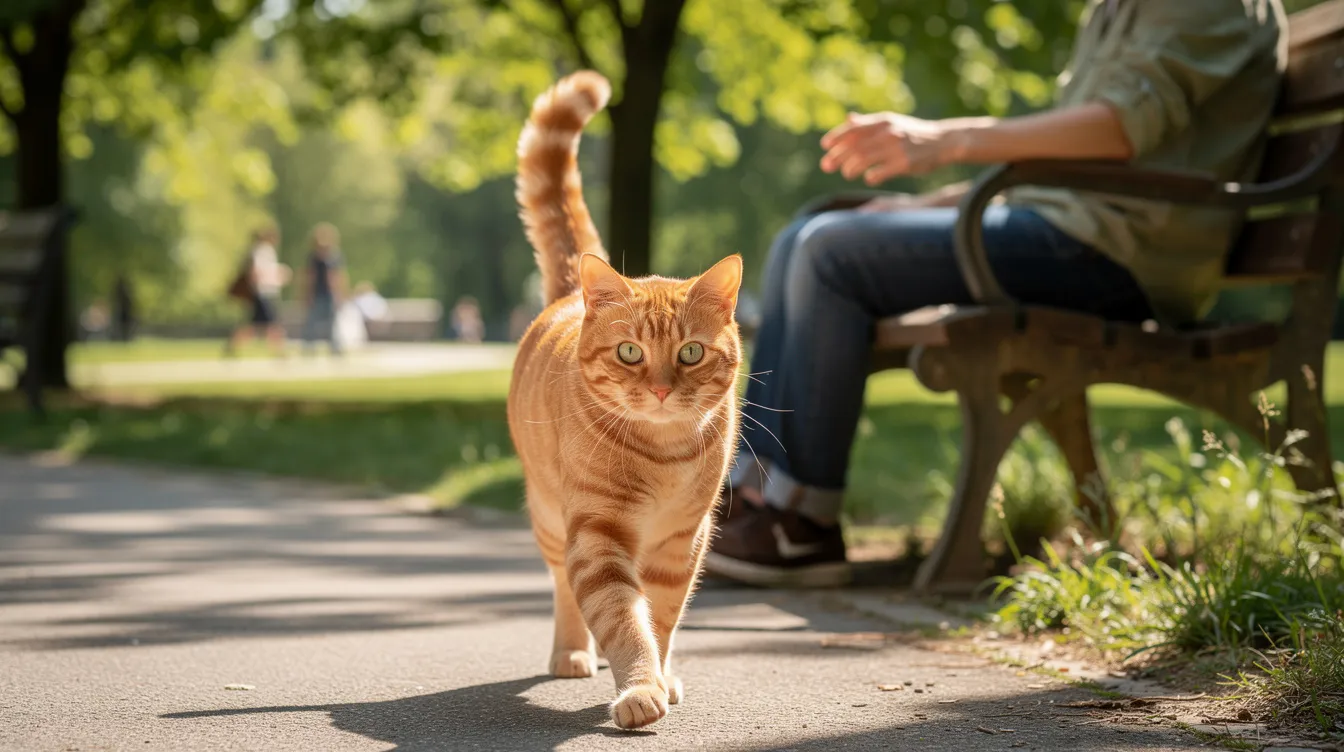
Consider the tabby who greets walkers on a specific street every morning, or the calico who patrols a particular yard and sits on visitors’ laps in summer. These feline friends have learned that humans can be sources of comfort. If random cats like you everywhere you go, you’re likely projecting universally calm, cat-friendly signals that many socialized cats recognize.
You Have the Right Vibes
Cats are experts at reading human body language, tone, and energy. They’ve evolved to assess threats quickly, and your posture, movements, and demeanor tell them everything they need to know within seconds.
Cats prefer people who move slowly, stay calm, and avoid direct, prolonged eye contact. Relaxed posture and slow blinks make you look like a safe, good person to cats. In fact, cats avoid direct eye contact as staring is perceived as a threat or a sign of dominance in their world.
Here’s a counterintuitive truth: cats often gravitate to the person in the room paying the least direct attention to them. When a human ignores a cat, they use feline social cues to indicate they are not a threat, creating a low-pressure environment that sparks curiosity. Cats often prefer people who remain calm or appear uninterested, as enthusiastic or loud approaches can be perceived as threatening.
Typical traits of “cat people magnets” include:
-
Moving slowly and smoothly
-
Not grabbing or reaching suddenly
-
Letting cats approach first
-
Respecting when the cat walks away
-
Maintaining a steady, calm presence
You will catch more flies with honey than with vinegar—being gentle and positive is far more effective in attracting cats than forceful or negative behavior.
Cats are sensitive to stress and mood shifts and are often drawn to individuals with a steady, reassuring presence that makes them feel safe. Stray cats in particular are drawn to certain people who sit quietly in parks, on porches, or at bus stops because they can observe you from a distance first.
You Smell and Sound Safe
Cats possess a powerful sense of smell—estimated at 14,000 times more sensitive than human olfaction. This shapes who they trust before you ever say a word.
Neutral or familiar smells (mild soap, other cats, grassy outdoor smells) are more comforting than heavy perfumes or harsh chemical scents. Cats have a powerful sense of smell and may be attracted to a person’s natural scent or residual smells from their own pets.
High-pitched, soothing, or quiet voices are generally more comforting to cats than loud or harsh tones. A soft, steady voice and predictable footsteps can attract shy or stray cats that are listening from under porches or cars. People who avoid shouting, sudden laughter near the cat, or loud music are more likely to be approached.
Picture this: a cat slowly edges closer to someone quietly reading on a bench, drawn in by the calm environment. No sudden sounds, no overwhelming scents—just peaceful space that signals safety.
You Move Like a Cat-Friendly Human
Movement style dramatically affects feline comfort. Slow, smooth, side-on approaches feel safer to most cats than direct, fast, or looming movements.
Many people who attract cats naturally crouch down instead of bending over the cat, which looks less intimidating. Felines value autonomy and gravitate toward people who let them initiate contact rather than those who force it.
Specific behaviors that random cats respond well to:
-
Avoiding direct staring
-
Extending a single finger for the cat to sniff
-
Turning your body slightly sideways
-
Staying low to the ground
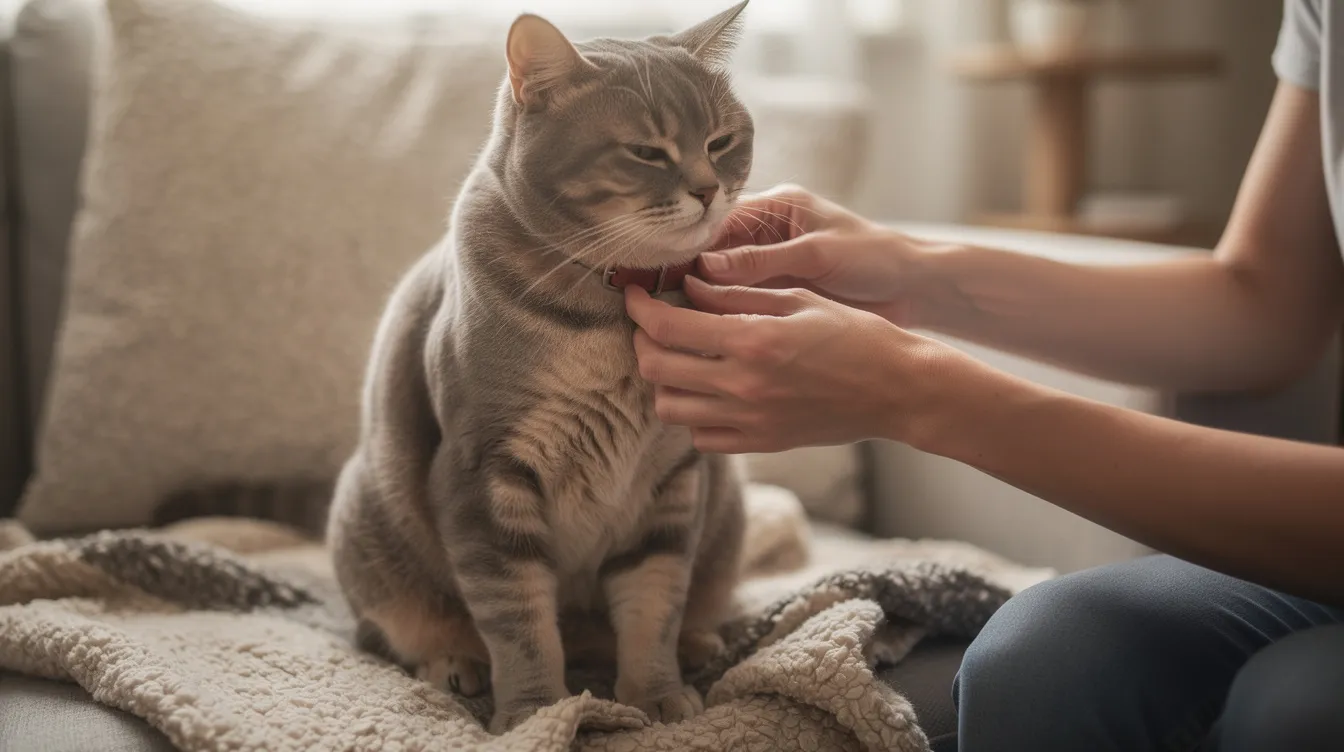
A nervous stray cat might shift from watching you at a distance to rubbing against your ankles once your calm pattern becomes consistent. A cat that rubs their cheeks or head against a person is marking them with their scent as a sign of safety and companionship. If a cat approaches you, it is because they have deemed you a safe and trustworthy person.
They Think You’re the Food Person
Food is one of the most practical reasons a stray cat follows or “chooses” you. Cats quickly form associations through associative learning.
Stray cats may approach humans because they are hungry and associate them with food, especially if they have had positive experiences with humans in the past. If you carry a crinkly bag, open tins nearby, or sit in a spot where people often eat, they may assume you’re a food source.
Even if you never fed this specific cat, other humans with your posture, clothing, or bag type might have fed them before, shaping their expectations. Predictable routines and calm, steady demeanor draw cats, aligning with their survival instincts.
Once a stray cat learns you sometimes offer food, it may begin waiting on your route or at your doorstep at roughly the same time each day. If you do feed stray cats, use proper cat food—not leftovers with bones or seasoning—and consider local TNR (trap-neuter-return) programs to help manage populations responsibly.
When a Stray Cat Follows You
A stray cat following you down the street often has simple motives: food, safety, or company. Stray cats may follow or approach humans out of curiosity, especially if they are somewhat socialized and used to being around people.
Potential reasons a stray cat follow you include:
-
Hunger or expectation of food
-
Recognition from a previous encounter
-
Curiosity about your scent
-
Using you as a moving shield against other cats or dogs
-
Simply seeking companionship
A semi-socialized stray cat will trail a few meters behind, stopping when you stop, but may not want to be picked up or touched immediately. Don’t lead the cat across busy roads, don’t lure it into unsafe areas, and avoid forcing it indoors unless there’s immediate danger.
Observe body language (tail position, ear angle, vocalizing) to judge whether the cat is playful, worried, or in distress. A tail held high usually indicates confidence, while flattened ears suggest fear.
They Remember Kindness
Cats possess genuine memory for events and people tied to positive experiences. If you offered shelter on a rainy night, gave water during an August heatwave, or gently removed a burr from fur, the cat can associate you with relief.
Imagine a January snowstorm: a stray cat, soaked and shivering, finds your covered porch with a warm doormat. You bring out a dish of food and fresh water. That cat’s brain consolidates this memory—the location, the weather, the kind human. Weeks later, it returns, even on clear nights.
Some former pet cats, now stray, may be actively seeking a new human after remembering your front porch as warm and welcoming. This healing process of rebuilding trust can make it feel like a stray cat chooses you specifically, returning repeatedly as if you share a special bond.
They’re Curious (and You’re Interesting)
Healthy cats are naturally curious—after all, the phrase “curiosity killed the cat” exists for a reason. They love watching human routines, objects, and habits.
Curiosity is a natural trait of cats, making them attracted to new people due to new smells and interactions. A random cat might investigate your backpack, bicycle, shopping bags, or even the rustling of a newspaper out of pure feline curiosity.
Boredom plays a role too. Outdoor cats with limited stimulation often turn to “people-watching” as a daily hobby. If you enjoy observing animals like cats or birds, you might consider taking a course in animal behavior or bird watching to enhance your understanding and enjoyment. Your consistent routine (same route at 7:30 am, same bench in the park after work) gives curious cats a predictable “show” to come watch.
Cats tend to be attracted to people who make them feel safe and comfortable, often approaching those who are less focused on them or who exhibit calm behavior. Remember: curiosity doesn’t always equal wanting to be handled. The cat may approach closely then dart away if you reach out too quickly.
Entertainment and Social Enrichment
For cats living outdoors with few toys or climbing spots, human activity functions as enrichment. Some cats treat human actions—stretching, talking on the phone, gardening—as an ever-changing puzzle to study.
Picture a cat that appears every afternoon on a fence to watch kids play basketball or neighbors water their gardens. You might notice the same curious felines show up at your yard during specific activities.
If you talk softly to the cat or gently toss a grass blade or leaf without pressure, you’re adding to that enrichment, making you extra appealing. Keep interactions low-pressure so shy or semi-feral cats can watch from a distance without feeling trapped in a corner.
They Might Not Actually Be a Stray
Many “random” cats are owned outdoor cats, barn cats, or neighborhood “community cats” with informal caregivers. Before assuming a friendly cat is homeless, look for clues.
Signs of an owned cat:
-
Clean, well-kept coat
-
Healthy weight
-
Collar or harness marks
-
Confident approach
-
Regular disappearance at night (going home to eat and sleep)
Community cats may be ear-tipped (a small flat cut on one ear) indicating they’re part of a local TNR program, already neutered and monitored by volunteers.
Don’t immediately assume a cat is a stray because it likes you. Check with neighbors or post a photo on local groups first. There’s a real possibility of unintentionally “stealing” someone’s pet if you start keeping or moving a friendly outdoor cat without checking.
How to Check if a Cat Has a Home
Before you adopt or relocate a friendly cat, verify its status responsibly.
Steps to take:
-
Check for a collar and ID tag
-
Gently feel for a microchip lump at the shoulder blades (without forcing)
-
Visit a vet or shelter to scan for a microchip
-
Post clear photos on neighborhood apps and local Facebook groups
-
Check community notice boards with the date and street where the cat was seen
Many lost-cat posters and microchip registrations go back years—families may still be hoping and searching. Wait a reasonable amount of time (7–14 days) and document your attempts before assuming there’s no owner.
Stray vs. Feral Cats: Why It Matters
Understanding the difference between stray and feral cats determines how you can help them appropriately.
|
Stray Cats |
Feral Cats |
|---|---|
|
Once socialized to humans |
Born/raised with no human contact |
|
May rub on your legs, meow |
Usually silent around humans |
|
Approach within touching distance |
Maintain large flight distance |
|
Sleep on porches, watch you openly |
Hide under cars, in bushes |
|
Can potentially be adopted |
Rarely suitable for indoor life |
Common stray behaviors include tentative approach, vocalizing near your door, or sleeping in your yard. Feral indicators include hiding constantly, bolting when you make eye contact, and refusing to be trapped in corners.
Cats that were gently handled by many different people between 2 and 8 weeks of age are significantly more likely to approach strangers as adults. Feral cats missed this window entirely.
This matters because how you help, feed, or possibly adopt a stray cat is very different from how you should support feral cats via TNR and colony care programs.
Safety and Respecting Boundaries
Safety matters for both humans and animals when dealing with unfamiliar cats.
Never grab or corner any unfamiliar cat, especially feral cats, due to stress, defensive scratching, or bites. Use distance, slow movements, and food placed away from your body to build trust with scared cats.
For truly feral cats, the kindest option is often supporting local TNR programs rather than trying to force a pet relationship. You can help by providing outdoor shelter, water, and food at consistent times without expecting affection in return.
Interpret “random cats liking me” within the cat’s comfort level, not just your own desire to cuddle or adopt. Cats that roll over and expose their belly demonstrate extreme trust and comfort, even if they do not want their stomach rubbed—respecting this boundary builds deeper trust over time.
When a Stray Cat Chooses You: Emotional and Spiritual Angles
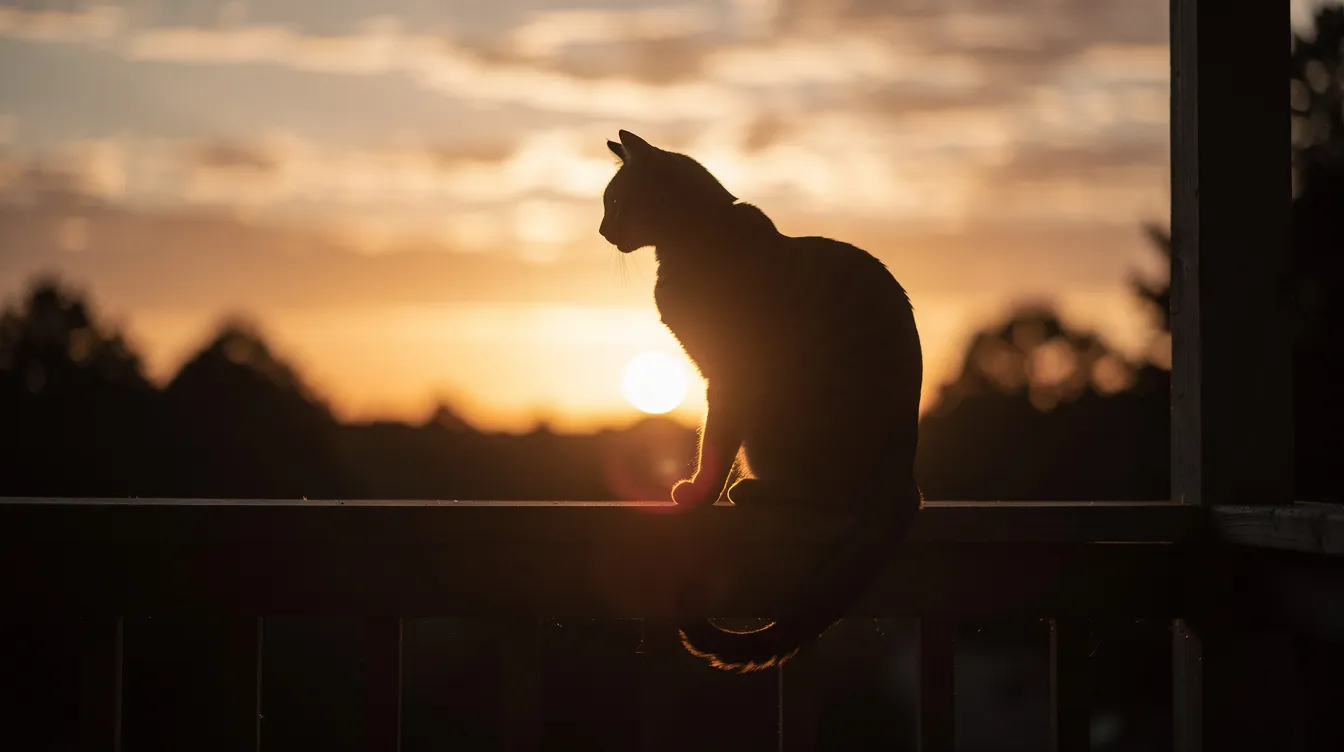
Many people feel a deep, almost mystical meaning when a stray cat chooses to sit on their doorstep or follow them home. There’s something powerful about being selected by an animal that could go anywhere.
Emotionally, this can be especially powerful during lonely or stressful life phases, making the cat feel like a sudden, furry friend and ally. When a stray cat chooses you, it is often seen as a sign of spiritual guidance and a hidden blessing in disguise, indicating that they may offer protection or help you unlock your hidden potential.
Across history and many cultures—from ancient Egypt to early modern Europe and parts of Asia—cats have been linked with intuition, magic, and spiritual guidance. In many cultures, a stray cat appearing in your life is considered a sign of good luck and divine protection, suggesting that their presence brings positive energy and fortune. Many people believe that stray cats can bring good luck, reinforcing the spiritual significance of their appearance.
A stray cat choosing you can be interpreted, if you wish, as affirmation that you’re a good person worthy of trust. These interpretations are personal and symbolic; they coexist with practical explanations like food, safety, and routine.
Spiritual Meanings People Often See in Stray Cats
Different people interpret cat attraction through various spiritual lenses. Here are common themes:
Good luck and blessing: Many see a cat on their porch or a black stray cat crossing their path regularly as a sign of upcoming good fortune. Stray cats love to appear precisely when we need encouragement.
Protection and guardianship: Some interpret a cat sleeping by their door or bedroom window as a spiritual guard against negative energy or bad intentions. Stray cats are believed to be highly intuitive creatures that can sense human emotions and energy, often acting as spiritual messengers.
Overcoming obstacles: Cats’ agility and habit of “landing on their feet” can symbolize your own ability to survive setbacks and rise again—no bad luck here, only resilience.
Affirmation of character: A fearful stray trusting you can feel like proof that your compassion and gentleness are evident even to animals who have every reason to be cautious.
The color of a stray cat can also carry spiritual significance; for example, a black cat is often seen as a symbol of transformation and the duality of life, reminding us to maintain balance amidst chaos.
Staying Grounded While Honoring the Connection
Balance spiritual feelings with the cat’s real-world well being.
It helps to explain that cats may be drawn to certain people for both practical reasons—such as a calm demeanor, scent, or body language—and spiritual reasons, with some believing cats sense unique energies or a welcoming aura; both perspectives can coexist and enrich your understanding of these encounters.
Enjoy the idea of a spiritual message while still checking for an owner, providing vet care if you adopt, and spaying/neutering when appropriate. Small rituals can honor the connection: writing down the date the stray cat first came to your house, journaling how you felt, or naming the encounter as a turning point in your life.
Don’t ignore obvious signs of illness or injury because you’re focused only on symbolism—spiritual meaning does not replace medical care or a trip to the vet. Whether symbolic or not, being chosen by a stray cat can inspire compassion, patience, and self-reflection.
What to Do If Random Cats Keep Approaching You
Being a “cat person” magnet carries some responsibility toward the animals drawn to you.
Best practices:
-
Move slowly, let the cat approach
-
Offer a finger to sniff before petting
-
Stop petting if the cat shows stress signs (tail flicking, ears back)
-
Never force interaction
If a particular stray cat chooses your house repeatedly, consider providing fresh water, regular feeding, and a sheltered spot outdoors. Contact local shelters or TNR groups if you notice multiple unneutered stray cats in the neighborhood to help control overpopulation humanely.
If you can’t adopt, set boundaries: limit feeding frequency, don’t lure cats indoors if you can’t keep them, and help connect them with rescue organizations that might find them a safe haven or forever family.
Signs a Cat Might Need Help
Some random cats need more than casual affection—they need intervention.
Physical red flags:
-
Limping or visible wounds
-
Heavy sneezing or eye discharge
-
Extreme thinness or sick appearance
-
Missing fur patches
-
Collapse in unusual places
Behavioral signs:
-
A normally distant cat suddenly following closely and crying
-
A cat seeking you out in cold rain or intense heat
-
Hiding in dangerous locations
-
Refusing to eat when food is offered
If you notice these signs one day, contact a local vet, animal welfare group, or emergency shelter. Safely contain the cat only if possible without causing panic or injury. Use towels, gloves, or carriers and keep children and other pets like dogs separate until the new cat has been examined.
FAQ
Why do random cats like me but dogs often ignore me?
Cats and dogs read human behavior differently. Calm, quiet people who avoid direct, enthusiastic approaches align perfectly with what cats find appealing—you feel safe to them. Dogs often react positively to overt excitement, movement, and direct engagement, which is the opposite energy. If you naturally project stillness rather than bounciness, you’re essentially speaking cat language while remaining somewhat foreign to dogs. This isn’t about whether animals “like” you as a person—it’s about interaction style matching species preferences.
Is it true that cats only like people who dislike cats?
This is an overstatement, but there’s a kernel of truth. People who ignore cats or don’t try to pet them right away come across as less threatening, making cautious felines more confident to approach. You can absolutely be a cat lover and still attract cats—just mimic that calm, low-pressure style. Sit still, let the cat make the first move, and avoid looming or reaching over them. The cats will come to you.
Does a stray cat choosing me mean I should adopt it?
Feeling chosen doesn’t automatically mean you must adopt, but you should act responsibly. First, look for an owner, scan for a microchip, and consider your time, finances, and current pets. Alternatives to adoption include becoming a regular feeder, helping with vet care and neutering through local programs, or supporting a shelter that can place the cat. Caring from a distance can still honor the connection if full adoption isn’t realistic for your world right now.
Why do random cats sleep on my porch or car hood?
Warmth, safety, and habit drive this behavior. Porches and car hoods (especially after the engine has been running) offer heat and good vantage points. Your space feels like a safe haven. If the same stray sleeps there often, it likely sees your home as part of its territory, especially if you’ve shown compassion through kind behavior. A weatherproof box or blanket can accommodate outdoor cats if you’re comfortable with it.
Can cats really sense if I’m a “good person”?
While “good person” is a human moral concept, cats excel at sensing intentions and emotional states. They respond to consistent kindness, gentle touch, and respected boundaries—qualities most people associate with being a good person. Interestingly, anxious or sad people sometimes report more cat attention, possibly because cats respond to stillness and soft voices that often accompany these states. If many random cats like you, it likely reflects your behavior and energy toward them—traits that overlap significantly with what most people call “goodness.”