


If your cat turns their back on you regularly, you could feel dismissed or even offended. Here’s the good news: this common feline behavior is actually one of the highest compliments your cat can give you.
It's important to know that when your cat turns their back, they're communicating in a way that reflects their understanding of you and their surroundings.
Key Takeaways
-
When a cat turns their back on you, it is a sign that they feel safe and trust you, as they would not expose themselves to a potential threat otherwise.
-
This behavior is normal cat behavior rooted in feline body language and evolution as both predator and prey.
-
Cats may turn away when sitting, sleeping, or asking to be petted, and each context has slightly different meaning, so it's important to interpret it the right way.
-
In most healthy adult cats, turning their back is positive, but sudden changes in behavior can warrant a vet check.
-
Understanding this one behavior will help improve the cat-human bond and reduce misinterpretation.
Why Do Cats Turn Their Back On You? (Short Answer First)
Most cats turn their back on you because they trust you to “watch their six” while they monitor the rest of the room. When a cat turns its back to you, it is a demonstration of trust and vulnerability, indicating that they feel safe in your presence—especially significant since humans are much larger than cats, making this display of trust even more meaningful.
Facing away lets a cat keep an eye on doors, windows, or other animals while using you as a safe base. Cats are both predators and prey, which influences their behavior, including the instinct to turn their backs to potential threats, demonstrating trust in their environment.
A cat’s posture can tell you a lot about their emotional state. Cats rarely turn their back in anger. When annoyed, their tail, ears, and posture will give it away through stiffness and twitching. Think of it like a dog lying at your feet facing the door—both are protective positioning, not dismissive.
Context matters: turning away while purring means contentment; turning away with a lashing tail means “I need space.”
What Cat Body Language Really Means When They Turn Away
Cat body language works as a whole system. You must read the tail, ears, eyes, and posture together to understand what your cat is telling you.
Relaxed trust posture looks like:
-
Loose muscles with no visible tension
-
Tail softly curled or still
-
Ears forward or slightly sideways
-
Steady, slow breathing
“Leave me alone” posture includes:
-
Tail flicking or lashing rapidly
-
Ears rotating backward
-
Body stiff even while turned away
Vigilant but calm posture features:
-
Cat facing a doorway or window
-
Ears swiveling to track sounds
-
Body remaining floppy and relaxed
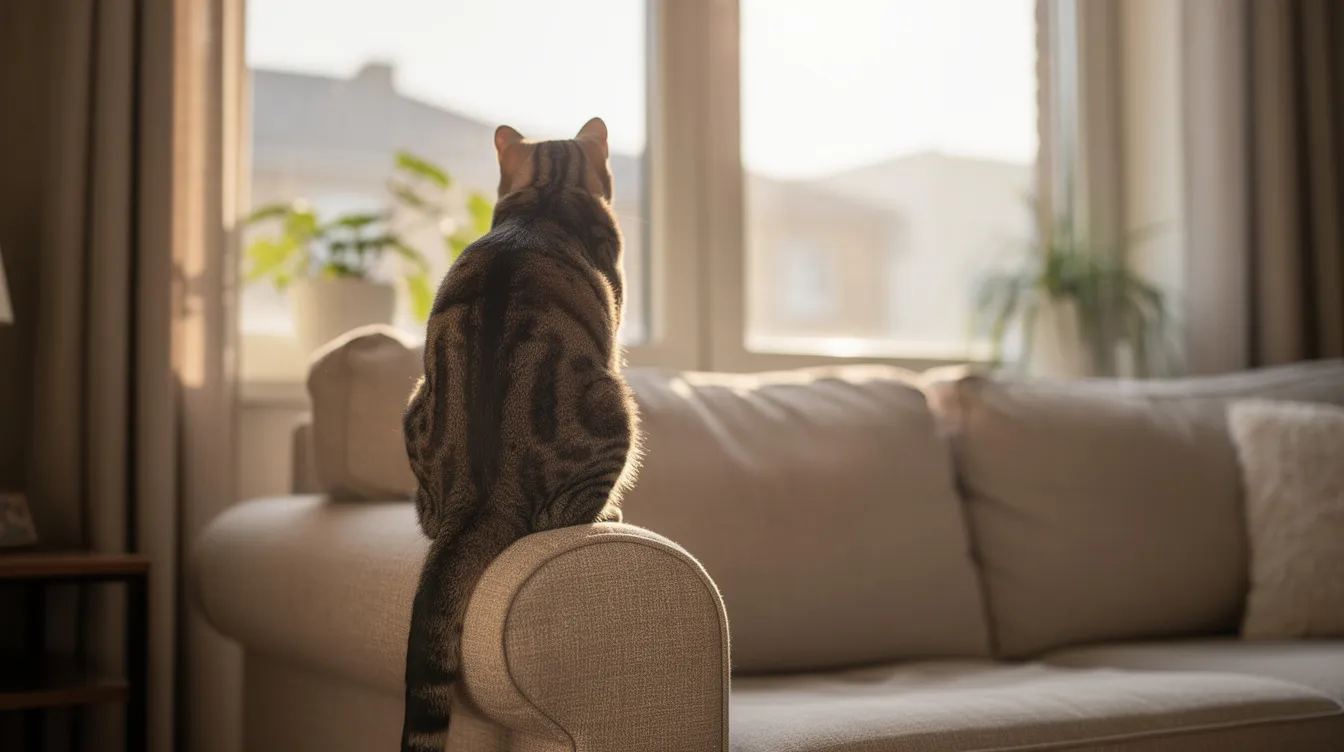
For example, a cat perching on a sofa backrest with their back to you while watching a hallway is using you as a thermal and safety anchor while monitoring for movement.
Take a moment to observe your cat's body language to better understand what they may be communicating.
Main Reasons Cats Turn Their Back On You
There isn’t just one reason a cat turns their back. Several normal feline behaviors can look similar, and this behavior should be interpreted in context—it is often a calm way for them to coexist in the same space with you.
Cats often choose a specific place where they feel most secure and comfortable when turning their back, highlighting the importance of providing them with a safe and relaxing environment.
No single sign should be judged alone. Cross-check with your cat’s overall behavior and health before drawing conclusions.
Reason 1: It’s a Powerful Sign of Trust and Safety
In the wild, showing vulnerability by turning their back is a dangerous move for cats, which makes it significant when they do so around humans, indicating a high level of trust. A cat’s belly and back are vulnerable spots; turning their back shows they feel secure enough to stop guarding themselves in your presence.
A cat sitting on the sofa arm with their back to you and tail resting on your leg is showing confidence that you won’t harm them. Many owners find this behavior confusing until they realize it’s actually a compliment.
Turning their back on you when lying on your lap or next to you in bed is often equivalent to a human falling asleep beside someone they trust. Cats show their affection and trust by turning their backs, which is a sign that they consider you a family member and protector.
Reason 2: Your Cat Is On “Guard Duty” For the Room
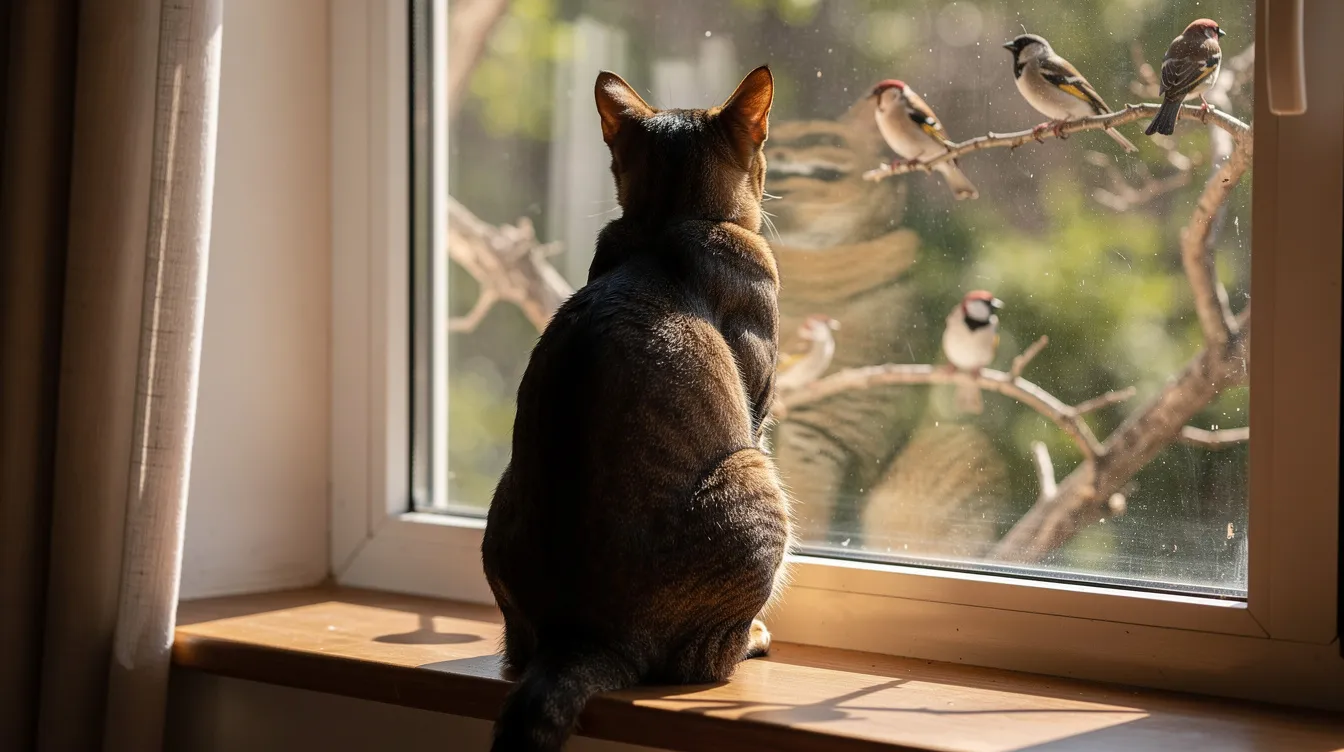
Cats may sit facing away to watch for threats and protect their owner. Even well-fed indoor cats instinctively monitor doors, hallways, and windows for movement.
By turning their back to you, they’re positioning themselves like a small security guard, facing the most likely direction of change. Picture a cat sitting on a windowsill facing outside while their back touches your arm, or a cat on the bed facing the bedroom door.
This behavior is especially common in multi-pet homes or apartments with hallway traffic or street noise. It doesn’t mean the cat thinks you’re dangerous—they’re combining comfort with vigilance.
Reason 3: They’re Asking for Back or Tail-Base Petting
When a cat shows its back, it is often an invitation for petting, particularly in areas like the back and the base of the tail, which they enjoy being stroked. Many cats prefer spine and tail-base strokes over head scratches.
A typical scenario: your cat jumps onto the couch, turns around so their rear faces you, then arches slightly or lifts their tail when you reach out. When a cat presents its back to you, it is often an invitation for affection, indicating that they want to be petted in those areas, which further signifies their trust in you.
Watch for purring, gentle tail quivers, and relaxed paws as positive feedback. Not every cat enjoys vigorous tail-base scratching, so start gently, letting your cat guide the interaction.
Reason 4: Scent Sharing and Territory Marking
Cats have scent glands along their flanks and at the base of the tail. Among familiar cats, presenting the backside is a polite social greeting and an invitation for scent-based communication.
In multi-cat homes, bonded cats often sit back-to-back, quietly blending their scents for group identity. When a cat leans their back or hip into your leg, they are including you in their territory.
Cats show their comfort and trust by presenting their backs to their owners, which is a sign that they consider their humans as part of their social group. Being marked this way is a compliment.
Reason 5: Comfort, Warmth, and Personal Space
Sometimes the explanation is simple: that position is just physically comfortable, especially on narrow surfaces like sofa backs or window ledges.
Cats might angle their body away from your face to avoid direct eye contact or strong human breath while still staying close. They often use your body heat—curling at the backs of your knees or against your back at night—while facing outward.
Turning away during rest can be a polite way for a cat to say “I love you, but I need quiet time.” Picture an evening routine: your cat joins you around 9 PM, curls up with their back toward you, and naps.
Reason 6: Mild Annoyance or Overstimulation
Occasionally, a cat might turn away to signal they are done with an interaction, such as play or petting. This is a low-level protest rather than confrontation.
Look for: back turned, tail tip twitching rapidly, ears slightly turned back, maybe a quiet huff or skin ripple. Even in this case, choosing to turn away instead of swatting shows trust and desire to avoid conflict.
The best response is to pause interaction, give your cat a minute, and let them decide when to re-engage.
When a Cat Turns Their Back While Sleeping Next to You
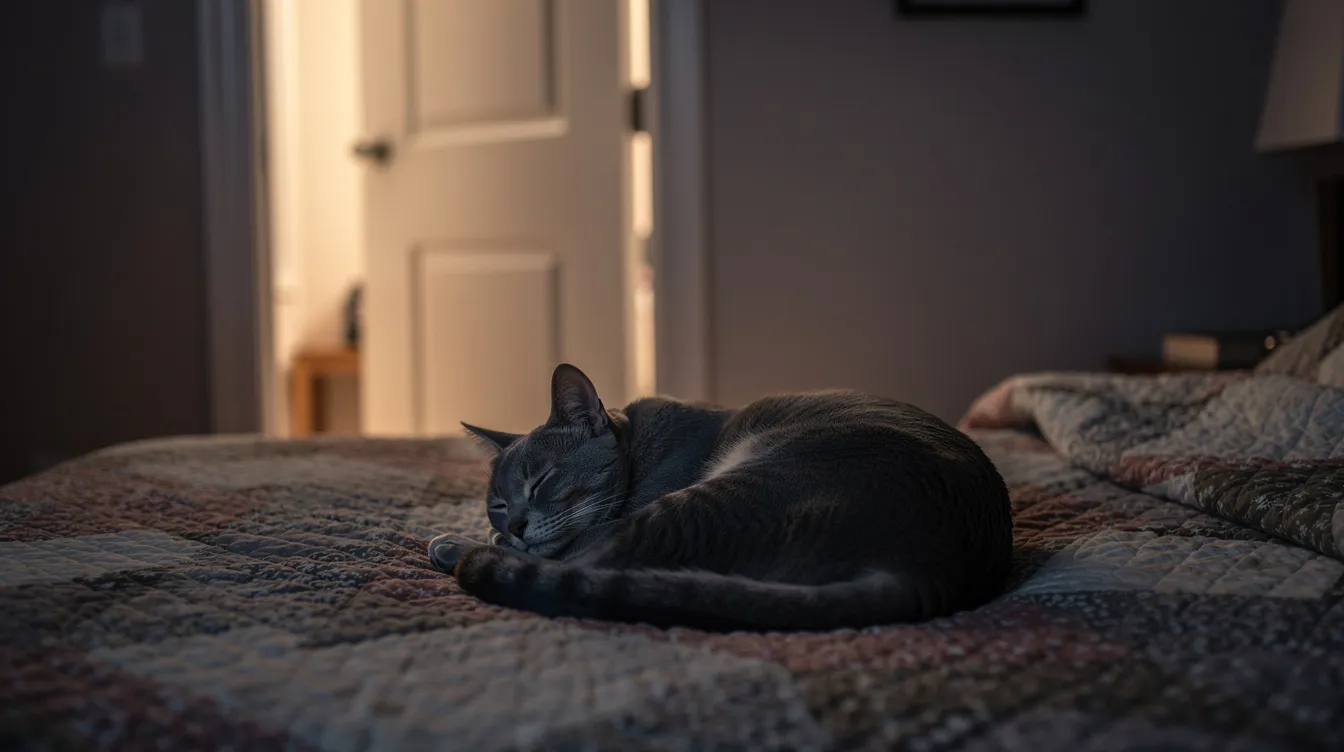
Cats sleep 12-16 hours daily and are most vulnerable during rest. Common sleep positions include curled at your side, behind your knees, or at the foot of the bed facing away. Take a look at your cat's sleep positions to better understand their trust signals.
Choosing to sleep with their spine toward you shows deep trust in your role as a safe spot. Sleeping facing the bedroom door allows quick reaction if something changes in the environment.
Calm sleep features slow breathing and a limp body. Restless, twitchy sleep might indicate stress. If a cat who used to sleep facing away suddenly refuses to share the bed, check for recent changes and consult a vet if needed.
How to Respond When Your Cat Turns Their Back On You
There’s usually no need to correct this behavior. Pause and read the full body language: tail movement, ear position, tension level.
Simple response guide:
-
Relaxed posture → gentle shoulder and back pets welcome
-
Tense posture with tail flicking → leave them be
-
Purring with lifted tail → continue gentle strokes
Use a soft voice and calm movements so your cat continues to associate turning their back with safe, predictable interactions.
Next time your cat turns their back on you, see it as a special invitation for trust and bonding. Want to get more stories and updates about cat behavior? Subscribe or follow for the latest insights.
When Turning Their Back Might Signal a Problem
For most healthy cats, this body language is normal. However, sudden or extreme changes can indicate stress or pain.
Red flags to watch for:
-
A social cat suddenly hiding and keeping their back to everyone
-
Flinching when you touch their spine
-
Vocalizing if you approach from behind
Possible causes include arthritis, skin irritation, or fear from loud construction, a new pet, or a recent move. If unusual behavior lasts more than several days or pairs with appetite or grooming changes, schedule a vet visit.
How Understanding This Behavior Deepens Your Relationship
Many people misread feline signals because cat affection is subtle compared to dogs. Recognizing back turned as trust helps owners feel more appreciated and less rejected.
Watch for other affection cues alongside this posture: slow blinking, soft purring, gentle leaning or kneading. Over the next week, note where your cat sits with their back to you and what their body language says.
By exposing their back, cats show they feel secure enough to stop guarding themselves in your presence. Engaging your cat with toys during interactive play can also strengthen your bond and help you better understand their behavior. Better understanding of cat body language means fewer misunderstandings and a calmer household.
FAQs About Cats Turning Their Back On You
Is my cat being rude or ignoring me when they turn their back?
Cats don’t operate with human concepts of rude. If your cat’s body is relaxed and they choose to stay near you, they’re showing trust, not giving you the cold shoulder. True avoidance looks different: leaving the room, hiding, or refusing to share space altogether.
Why does my cat sit on my lap but always face away from me?
Many lap cats prefer to align their body so they can see the room while enjoying your warmth. Having their face close to yours can feel too intense, so they compromise by sitting with their back toward you. Don’t try to physically turn them around—pet their shoulders and let them choose their position.
Do all affectionate cats turn their back on their owners?
No single behavior defines affection. Some loving cats prefer to face their people or curl up under their arm instead. Personality, early socialization, and household setup all influence how individual cats rest and interact. Look at the overall pattern—seeking your company, purring, following you—as better indicators of love.
Should I pet my cat when they show me their back, or leave them alone?
It depends on body language. Relaxed posture and a still tail usually mean petting is welcome. Start with gentle strokes along shoulders and upper back, watching for leaning in or purring as positive feedback. Back off if your cat stiffens or shifts away.
Why does my cat suddenly keep their back to me and avoid eye contact?
A sudden, ongoing change can indicate stress, fear, or pain. Check for recent household changes like new pets, visitors, or renovations. If the behavior persists more than several days or pairs with appetite or grooming changes, consult a veterinarian to rule out medical causes.