


Key Takeaways
-
Is kitty litter flammable? When considering cat litter flammable properties, mineral cat litter—including clay litter, bentonite clay, and silica gel crystals—is generally non-flammable, while most biodegradable kitty litter made from corn, wheat, walnut, wood, or paper is flammable when dry.
-
Kitty litter used to absorb gasoline, oil, diesel, or solvents can become highly flammable, even if the clean litter itself was non flammable litter.
-
Keep every litter box away from heaters, fireplaces, candles, cigarette butts, and other heat sources.
-
Safe storage and disposal of cat litter, spill absorbents, and contaminated waste lowers fire risk at home, in garages, and at any work site.
Introduction: Is Kitty Litter Flammable or Fireproof?
People ask “is kitty litter flammable” because litter is now used in litter boxes, garages, workshops, and gas stations for small spills. The answer depends on the material: kitty litter’s flammability is dependent on its base material, with mineral-based litters being non-flammable and plant-based litters being combustible.
This article compares cat litter types including bentonite clay, silica, corn, wheat, wood, paper, walnut, olive pit litter, and olive pits so cat owners, DIYers, and humans caring for animals can stay aware.
What Determines Whether Cat Litter Is Flammable?
Flammability depends on composition, oxygen, temperature, moisture, and contaminants. Dry cat litter with low moisture content is more susceptible to fire, especially when exposed to open flames or high temperatures. Plant fibers burn; clay and silica do not.
Biodegradable cat litters, such as those made from corn, wheat, or paper, are generally more flammable than non-biodegradable options like bentonite clay or silica gel, which are non-flammable materials. Gasoline, oil, lighter fluid, chemicals, or solvents absorbed by any litter can change the risk fast. In 2024, the U.S. Fire Administration identified organic pet bedding and litter as a rising cause of domestic bin fires, highlighting the fire risks associated with biodegradable materials. Research has investigated the flammability of various cat litter materials and their associated risks, providing evidence-based insights into safer choices for pet owners.
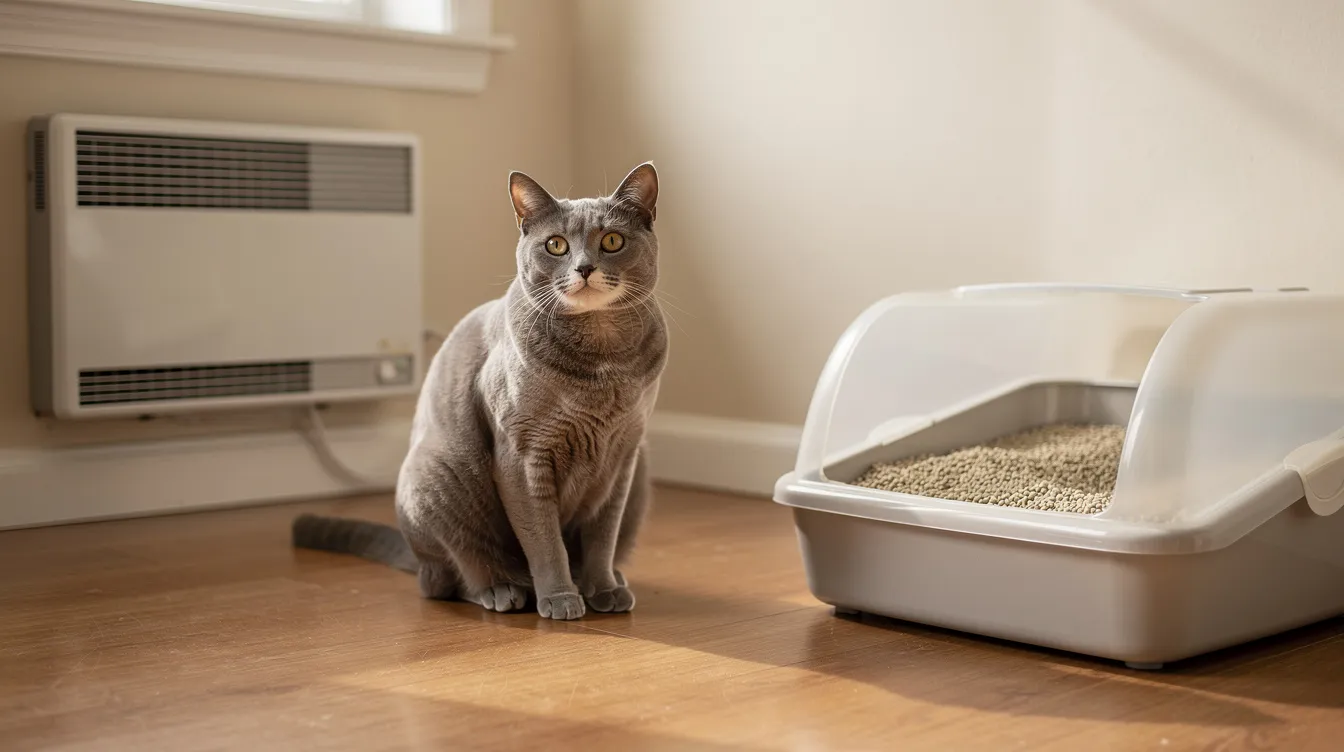
Non-Biodegradable Cat Litter: Is Bentonite Clay Flammable?
Bentonite clay litter is non-flammable and can withstand temperatures well over 600°C before breaking down. Bentonite clay litter can withstand temperatures over 600°C without burning, making it a safer choice in terms of fire risk compared to biodegradable litters, which can ignite at lower temperatures.
Silica gel is a synthetic, highly absorbent material derived from processed quartz sand. Silica gel or crystal litter is also non-flammable under normal home conditions. These other types are good choices near fireplaces or stoves, but plastic trays, tissues, liners, mats, dust, and nearby trash can still catch fire from an open flame.
Biodegradable Kitty Litter: Which Types Are Flammable?
Eco litter can be practical, but “biodegradable” does not mean safer around fire. Plant-based biodegradable litters are combustible and can catch fire under the right conditions. Organic litters made from wood, paper, corn, or wheat are flammable and can ignite when exposed to direct fire or intense heat sources.
Corn and Wheat-Based Cat Litter
Corn and wheat litter are made from grain or plant fibers. Surprisingly, these natural litters clump effectively, which is an unexpected benefit for many cat owners. However, natural litters made from plant materials, such as corn and wheat, can catch fire under the right conditions, with ignition points as low as 200°C. Keep the bag away from furnaces, dryers, and pilot lights; fine pepper-like grain dust should not meet sparks.
Walnut Shell Cat Litter
Walnut shell litter controls odors well but remains flammable when dry. It can burn like other biomass materials, especially if stored in bulk near electrical panels, workshop tools, incense, or candles.
Pine and Other Wood-Based Cat Litter
Wood products used in kitty litter are made from compressed pine shavings, sawdust, or cedar pellets. Pine and wood pellets are related to fuel products, so they can burn if ignited. Natural litters, such as paper, wood, corn, and wheat, should be kept away from heat sources to prevent combustion.
Paper-Based Cat Litter
Paper litter is gentle and low cost, but dry paper burns quickly. Do not place it near exposed bulbs, radiators, or rugs by heaters, and do not burn it; pet waste can create odors, smoke, and exposure concerns.
Kitty Litter Used as a Spill Absorbent: When Non-Flammable Becomes Flammable
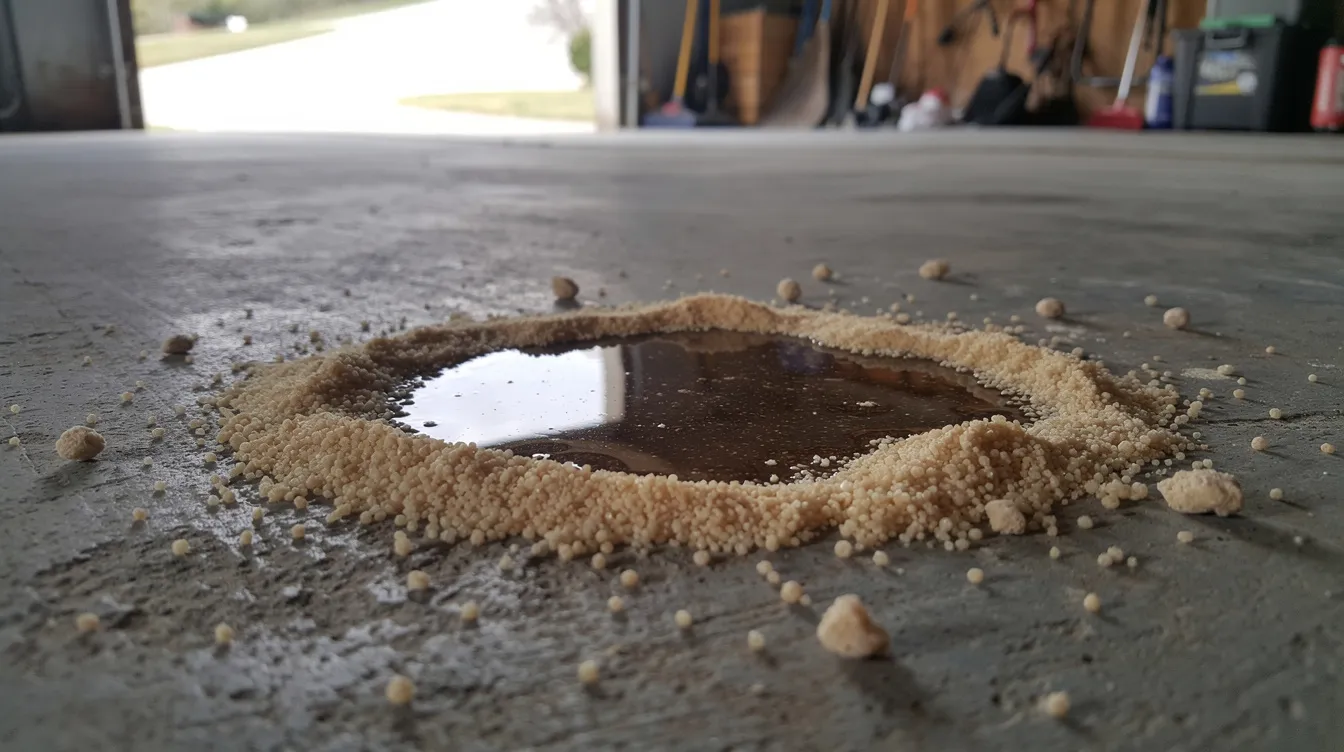
Garages often use clay kitty litter to absorb spills. Clean clay litter is not flammable, but if any type of kitty litter is used to absorb flammable liquids, it can remain highly flammable for a long time.
Clay litter does not neutralize absorbed flammable liquids like gasoline, retaining high flammability when disposed of. Double-bagging fuel-soaked litter in plastic can trap vapors. Treat this waste carefully and follow local rules; for frequent fuel spills, use purpose-made absorbents that suppress vapors.
Fire Safety Tips for Litter Boxes and Litter Storage
Most fire hazard problems are preventable.
-
Keep boxes several feet from heat sources, space heaters, baseboards, radiators, fireplaces, and cookstoves.
-
Avoid candles, incense, oil burners, and smoking near litter.
-
Store bags cool, dry, sealed, and away from sun or electrical panels.
-
Clean loose litter, dust, cardboard, and clutter from the rest of the area.
-
Households using oxygen equipment or extension cords should be extra cautious.
-
Used cat litter can generate heat on its own if sealed wet, which can rise above 50°C due to bacterial fermentation, posing a fire risk when combined with a heat source.
-
Used litter can generate heat on its own if sealed wet, which can rise above 50°C due to bacterial fermentation, making it risky when combined with a heat source.
It is advisable to keep litter boxes away from heat sources and open flames, as this can prevent potential fire hazards, especially with flammable types of litter.
Safe Disposal of Used Cat Litter and Contaminated Absorbents
Disposal matters because trash fires can start after something small happened: a hot ash, spark, or cigarette butt met flammable materials. Discarding hot fireplace ashes or cigarette butts into used litter can pose a fire hazard. Used kitty litter mixed with organic waste can smolder or ignite if exposed to a spark or hot ash.
Ordinary used cat litter should be bagged and put in municipal waste unless local rules, packaging, or your site require otherwise. When disposing of used cat litter, it is important to seal it in a non-flammable container to prevent any potential fire hazard, and store it away from heat or open flames. Fuel-, oil-, or solvent-soaked litter may need hazardous disposal.
Conclusion: Choosing the Safest Cat Litter for Your Home
Clay and silica are the safest choices for fire safety; biodegradable litters need more distance from heat and flame. Any litter can become dangerous after contact with fuel, oil, chemical additives, or other contaminants.
If you are switching litter for eco reasons, balance environment, cost, odor control, cats’ comfort, and fire safety. When concerned, contact the manufacturer, read the label, and dispose of litter correctly to keep a clean and safer home.
Frequently Asked Questions
Can I put used cat litter in my fireplace or wood stove to dispose of it?
No. Used litter should never burn in fireplaces, stoves, burn barrels, or fire pits. Cat feces can contain Toxoplasma gondii, which may pose toxoplasmosis risks, and burning urine, feces, fragrances, or chemicals can release foul smoke.
Is it safe to throw cigarette butts into my cat’s litter box?
No. Cigarette butts can stay hot enough to ignite corn, wood, wheat, or paper litter. Even clay may not burn, but the tray, liner, rug, or cardboard nearby can catch.
Does clumping clay litter become flammable after long-term use?
Bentonite clay itself does not become flammable over time. The main risk comes from dried organic matter, nearby clutter, or using clay to absorb gasoline, oil, or solvents.
Can I compost biodegradable cat litter to dispose of it safely?
Sometimes the clean base material is compostable, but used cat litter with feces is usually not recommended for home compost because of pathogens. Check local rules and specialized pet-waste systems.
Are scented or chemically treated cat litters more likely to catch fire?
Usually, the base material matters more than scent. Clay and silica remain non-flammable; plant fibers remain flammable. Always read heat warnings on the package.