


If you share your home with a cat, you probably go through bags of litter without thinking much about what's actually inside them. Understanding what kitty litter is made of helps you pick a safer, more effective product for your cat and your household. Here's a full breakdown of every major litter type, what goes into it, and how to choose.
Key Takeaways
-
Most traditional kitty litter is clay based, made from mined minerals like Fuller's earth (for non clumping formulas) or sodium bentonite (for clumping litter). Alternatives use silica gel crystals or biodegradable materials such as corn, pine, wheat, or recycled paper.
-
Clumping cat litter is made from bentonite clay, which swells when wet and forms scoopable clumps. Non clumping cat litter uses minerals like montmorillonite or sepiolite that absorb cat urine without binding together.
-
Additives such as baking soda, activated charcoal, synthetic fragrances, and other chemical additives are commonly mixed into litter for odor control and dust reduction.
-
Kitty litter falls into three main categories: clay, silica gel, and biodegradable materials. Cat litter primarily falls into three categories: clay, silica gel, and plant-based materials.
-
The best cat litter for your home depends on your cat's health and comfort, your household priorities (odor, dust, litter tracking), and your environmental preferences.
What Is Kitty Litter Made Of?
Kitty litter is the material placed in a litter box to absorb cat urine, control odor, and allow easy cleanup of solid waste. Kitty litter is manufactured from absorbent materials designed to trap moisture and control odor, and it is processed into granules or pellets designed to absorb liquid.
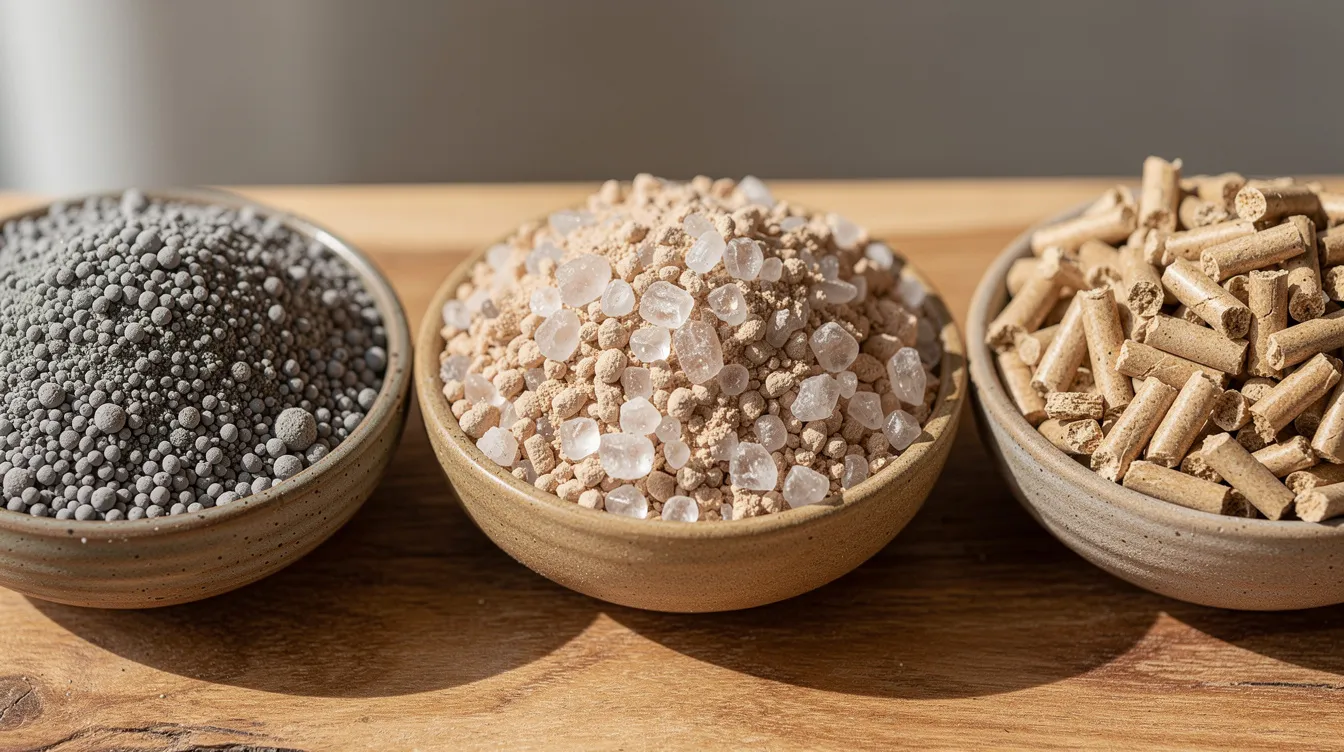
Most commercial cat litter types fall into three main ingredient groups:
-
Clay litter - Made from mined absorbent clay minerals such as Fuller's earth, sodium bentonite, and montmorillonite. Clay cat litter is the most common type available and dominates the market.
-
Silica gel (crystal) litter - Silica gel is made from porous sodium silicate beads or crystals. These highly porous granules absorb liquid and trap odor inside tiny pores.
-
Biodegradable cat litter - Made from plant materials or recycled fibers: pine wood, corn, wheat, walnut shells, recycled paper, soybean fiber, and coconut husk.
Modern formulas often blend these base materials with additives like baking soda, odor-neutralizing minerals, or synthetic fragrances to boost performance. Understanding these three groups is the foundation for comparing every cat litter sold today.
Clay Cat Litter: The Classic Kitty Litter Material
Clay cat litter has been the dominant cat litter material in the United States since the late 1940s. Clay litter is a $2 billion industry in the US, and it still accounts for the majority of cat litter sold on store shelves.
The story starts in 1947, when Edward Lowe offered a neighbor Fuller's earth - a conventional clay absorbent he'd been selling for industrial use - as a cleaner alternative to sand, ashes, and newspaper in cat litter boxes. He branded it "Kitty Litter," and the name stuck as a generic term for the entire category.
Traditional clay litters are made from mined clay minerals. Non-clumping clay uses minerals like sepiolite or montmorillonite, which absorb moisture but do not bind into clumps. Montmorillonite clay is often used for non-clumping litters, and Fuller's earth varieties (attapulgite, kaolinite) work the same way. Clay cat litter absorbs its weight in liquid, making even basic formulas effective at soaking up cat urine.
Clay litter can be clumping or non clumping depending on the material used:
-
Non-clumping (Fuller's earth type) - Absorbent clay granules soak up urine and spread moisture through the box. Eventually, pet owners need to dump and replace the entire box.
-
Clumping (sodium bentonite) - Bentonite clay swells on contact with moisture and forms firm clumps for easy scooping. This is the basis of every clay clumping litter on the market.
Many clay litters include extras: baking soda is often added to clay litter for odor control, and manufacturers may add synthetic or natural fragrances and dust-reducing agents. However, clay litter can cause respiratory issues for cats and humans, and some formulas may contain crystalline silica dust as an impurity - a known carcinogen when inhaled in occupational settings.
How Clumping vs Non-Clumping Clay Litter Works
Both clumping and non clumping litters are clay based, but they behave very differently when exposed to moisture.
Non-clumping conventional clay litter uses larger granules - often Fuller's earth - that absorb liquid throughout the box. The absorbent clay soaks up urine, but moisture spreads rather than concentrating. Because soiled litter can't be separated, you need to replace the entire contents of the box roughly once a week (or sooner in multi-cat homes). About 40% of cat litter sold in the US is non-clumping.
Clumping litter relies on sodium bentonite, sometimes labeled simply as bentonite clay. When wet, bentonite clay can swell up to 15 times its original volume, creating a negative charge imbalance that causes particles to bond tightly into a firm clump. Clumping litter allows easy removal of soiled litter, which means the rest of the box stays drier and cleaner for longer. Many cat owners prefer clumping for easy scooping and less frequent full changes.
Key concerns to keep in mind:
-
Sodium bentonite can cause gastrointestinal distress if ingested, so most veterinarians and cat experts recommend avoiding strong clumping clay for kittens under about four months old.
-
Many clay litters produce fine dust that can aggravate respiratory problems. Low dust formulas help, but traditional clay litters are rarely completely dust free.
-
Many litters contain added fragrances to mask waste odors, which may bother cats with sensitive noses.
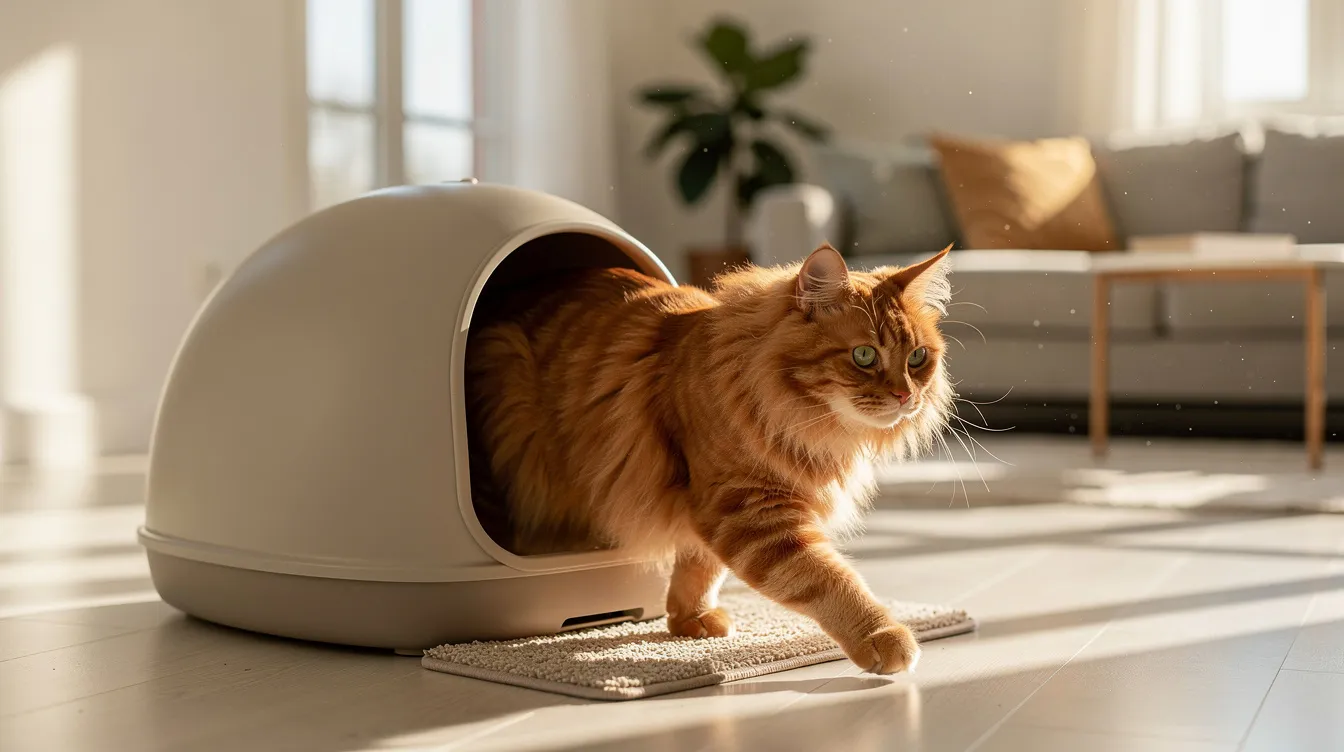
Silica Gel (Crystal) Cat Litter Ingredients
Crystal litter - also called silica cat litter or silica litter - is not ordinary sand. It's a processed form of sodium silicate that becomes highly porous beads or crystals. Manufacturers combine sodium carbonate with silicon dioxide (sand), then process the result into beads full of microscopic pores. These tiny pores can absorb liquid at roughly 30–40 times the bead's weight.
Silica gel litters are highly porous and non-clumping granules. The beads pull excess moisture and ammonia odor into their pores, and the microscopic pores in silica absorb urine and allow the water to evaporate over time. This means crystal litter does not form clumps - you simply stir the beads and remove fecal matter daily.
A critical safety distinction: the silica used in crystal litter is amorphous silica gel, similar to the desiccant packets labeled "Do not eat." It is different from crystalline silica, which is linked to lung disease in mining and industrial settings. Amorphous silica is considered non toxic when used as directed in a cat box.
Silica gel litter absorbs moisture and controls odors effectively, and silica gel litter absorbs moisture for up to 30 days for one cat when maintained properly. Silica litter contains activated carbon for enhanced odor control in many formulations, and some manufacturers also add baking soda or mild deodorizers. The beads are typically designed for low dust and reduced litter tracking compared to fine clay granules, which is gentler on a cat's paws.
Biodegradable Cat Litter: Plant-Based & Paper Options
Biodegradable cat litter is made from renewable or recycled materials that break down more readily than clay or silica. Eco-friendly alternatives to traditional cat litter are made from renewable or recycled materials, and eco-friendly litters are made from renewable resources or agricultural byproducts. These natural litters have gained popularity as cat owners look for a natural alternative to mined clay.
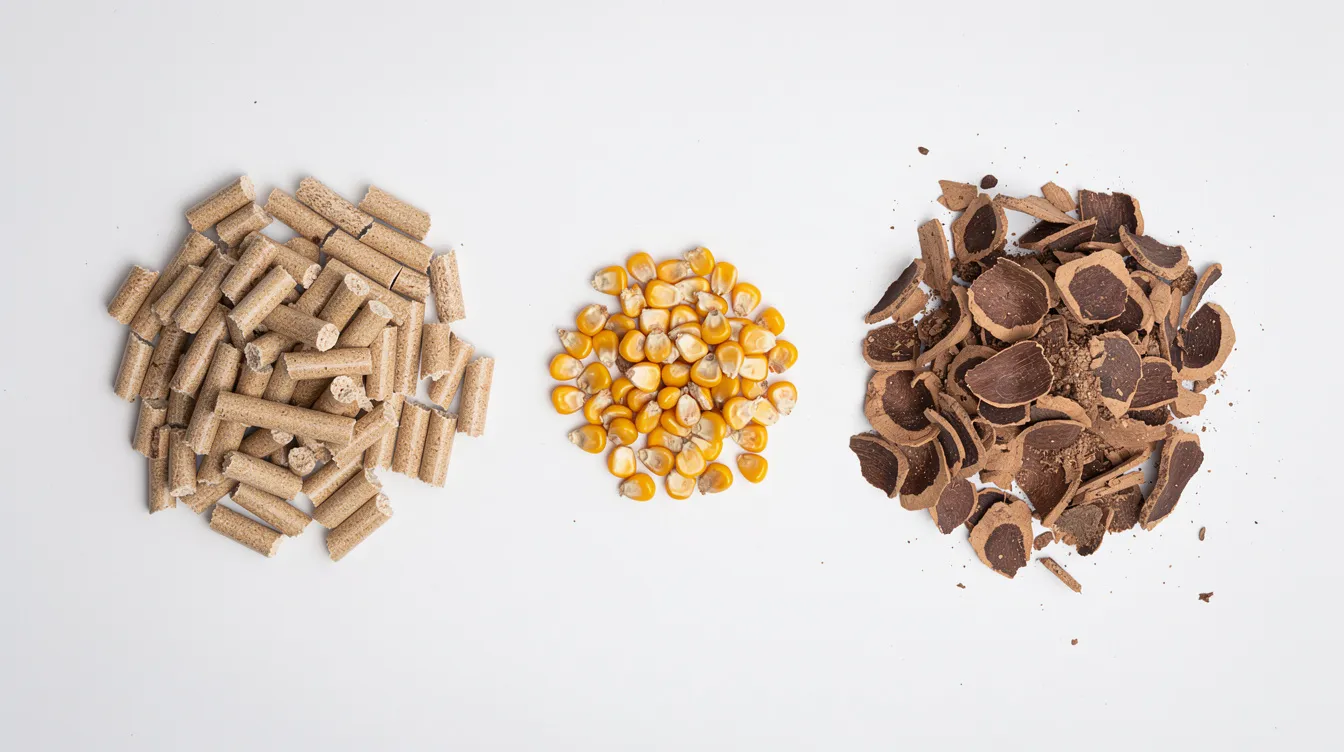
Biodegradable litters can be made from pine, wheat, or corn, among other sources. Natural litters can be made from pine, wheat, or corn as well. Here are the most common options:
-
Pine - Wood litter is made from recycled wood chips or pine shavings. Pine litter is made from compressed sawdust that acts as a natural odor absorber. Wood/pine litter is often shaped into pellets, producing minimal dust and a mild natural scent.
-
Corn - Corn litter is a lightweight option that provides natural clumping capabilities. Corn and wheat litters are made from ground corn cob, kernels, or wheat fibers.
-
Wheat - Wheat litter contains natural starches that create solid clumps, making it a viable clumping litter without clay.
-
Recycled paper - Paper litter is made from recycled newspaper or paper pulp compressed into pellets. Recycled paper is a very low-dust option frequently used for kittens whose developing lungs are sensitive to airborne particles. Recycled paper products in litter form are soft and highly absorbent.
-
Tofu/soy - Tofu litter is made from soybean byproducts and is typically flushable (check local plumbing rules first).
-
Walnut shells - Walnut shells are highly absorbent and effective at controlling ammonia odors.
-
Coconut husk - Coconut husk is an eco-friendly option that is absorbent and biodegradable.
Guar gum is a common clumping agent in biodegradable litter, helping plant fibers bind into scoopable clumps without clay. These natural cat litters reduce reliance on strip mining, which causes habitat loss and soil erosion at extraction sites. Over two million tons of cat litter end up in US landfills annually, and biodegradable litter can be composted safely at home (excluding cat feces where Toxoplasma is a concern). However, biodegradable litters are often more expensive than clay options, and performance in clumping and odor control varies by material. Some biodegradable litters are marketed as flushable, but always check local municipal rules before flushing any litter.
Other Common Kitty Litter Additives & Features
The base material - clay, silica, or plant-based - is only part of what cat litter is made of. Many products include additional ingredients and design choices that modify real-world performance.
-
Odor absorbers - Many brands add baking soda or activated charcoal to their formulas for odor absorption. Zeolite minerals and proprietary ammonia odor neutralizers also help trap moisture and neutralize smells in the litter box. Some formulas include plant extracts for a gentler scent profile.
-
Fragrances and chemicals - Synthetic fragrances, dyes, and antimicrobial agents are common in scented litters. However, some cats are sensitive to fragrances in cat litter, and strong perfumes can cause sneezing or avoidance. Many veterinarians recommend unscented formulas, particularly those designed for cats prone to allergies or asthma.
-
Physical design tweaks - Granule size matters: fine, sand-like particles feel natural under a cat's paws but may increase litter tracking. Larger pellets reduce tracking but can feel less comfortable on sensitive paws. Low-dust cat litters help reduce respiratory problems in sensitive cats, and dust control processing (washing, coating) varies by brand. Lightweight formulas reduce transport hassle for pet owners.
Keep in mind that "unscented" litters may still contain odor-control minerals - they simply skip the added perfume.
Choosing Between Clay, Silica, and Biodegradable Cat Litters
There is no single best cat litter for every home. The right choice depends on your cat's comfort, health, and your priorities around odor, dust, maintenance, cost, and sustainability.
-
Clay litter - Strong clumping, widely available, often the most affordable. Good for multi-cat households that need reliable odor control. Downsides: dusty, heavy to carry, and non-biodegradable. Strip mining of clay has real environmental costs.
-
Silica gel (crystal) litter - Excellent odor control and low maintenance. Low dust and minimal tracking. Can last up to a month for one cat. Downsides: non-clumping, higher cost per bag, and the texture may feel unfamiliar to cats used to fine granules. Also non-biodegradable.
-
Biodegradable litters - Made from renewable materials, often lighter and lower in dust. A natural alternative that's potentially compostable. Downsides: can cost more, clumping strength varies, and some formulas track more because particles are lightweight.
Special situations to consider:
-
Kittens - Avoid strong clumping clay; curious kittens may mistake granules for cat food and ingest them. Opt for non clumping, paper-based, or soft plant litter for their well being.
-
Cats with respiratory issues - Prioritize dust free or low dust, unscented litter (paper, silica, or select plant-based options) to protect their respiratory health.
-
Multi-cat households - Favor strong clumping and easy scooping formulas. You'll likely change the entire box more often regardless of type.
Ultimately, your cat's preferences matter most. Try a small bag of a new type before committing to a bulk purchase, and monitor your cat's behavior and comfort during any transition.
FAQ
Is clay cat litter safe for my cat?
Most healthy adult cats can safely use clay litter without issues. The primary concerns are dust inhalation and possible ingestion of clumping clay. Crystalline silica dust is a known carcinogen in occupational exposure contexts, though household-level risk is considered low. For kittens and cats with respiratory issues, choose low dust, unscented formulas. If your cat coughs, sneezes, or seems to eat litter regularly, consult your veterinarian about switching to a different material.
Is silica gel (crystal) litter toxic?
The silica used in crystal litter is amorphous silica gel, which is different from crystalline silica and is considered non toxic when used as directed in a litter box. Cats should not eat the beads, though accidental contact is generally harmless. Very curious kittens or cats with pica (compulsive eating of non-food items) may be better off with a softer, plant-based litter type that poses less risk if nibbled.
Which kitty litter is most environmentally friendly?
Biodegradable cat litter made from plant materials - wood, corn, wheat, tofu, or recycled paper - generally has a smaller environmental footprint than clay litter, which requires strip mining and does not break down in landfills. Over two million tons of cat litter reach US landfills each year, and biodegradable options help reduce that burden. Even with biodegradable litter, always follow local rules about composting and disposal of pet waste to avoid spreading parasites.
How often should I change the litter based on what it's made of?
Clumping clay or clumping biodegradable litters can be scooped daily, with the entire box fully changed every two to four weeks depending on how many cats share it. Non clumping clay needs complete replacement roughly once a week because you can't separate the soiled litter from the clean material. Silica crystal litter may last up to a month for one cat if you stir the beads regularly and remove solid waste every day.
Can I mix different cat litter types together?
Mixing litters made of similar materials - for example, two clay-based litters or two plant-based formulas - is usually fine and can help during a gradual transition between brands. Avoid mixing very different cat litter types, like clay clumping litter with silica crystals or large non clay litter pellets, because the contrasting textures may confuse your cat and make it harder to judge how well each material is performing. A safer approach is to fill half the box with the old litter and half with the new, letting your cat choose and adjust at their own pace.
Looking for a litter that's made with your cat and the environment in mind?
If you're ready to move beyond traditional clay litter, explore Michu's plant-based litter collection. From our Natural Tofu Cat Litter for everyday odor control to the Mixed Tofu Cat Litter Pro for fast clumping and low tracking, and Wonder Litter for powerful absorption and long-lasting freshness, you'll find a cleaner, low-dust solution that keeps both your cat and your home happier.