


Key Takeaways
-
Scoop your cat's litter box at least once a day; twice daily is ideal. Every other day is the absolute maximum, not the goal.
-
Households with more than one cat need more frequent scooping and should follow the rule of one litter box per cat, plus one extra.
-
Deep clean standard plastic litter boxes about once a week. Larger clumping litter boxes scooped well can stretch to every four to six weeks for a full dump and scrub.
-
Non clumping litter and pellet litters generally need to be dumped and replaced every day or every other day because urine is not removed in clumps.
-
A clean litter box protects your cat's health, prevents accidents around the house, and keeps odors under control.
Introduction: Why Litter Box Cleaning Frequency Matters
Cats are highly sensitive to odors and prefer clean litter boxes. When you let waste pile up, your kitty may start to pee or poop elsewhere in the house. How often to scoop a litter box depends on the type of cat litter you use, how many cats share your household, and the size and number of boxes you provide. This post covers daily scooping schedules, deep clean routines, special cases like pregnancy, and a practical FAQ.
How Often Should You Scoop a Litter Box?
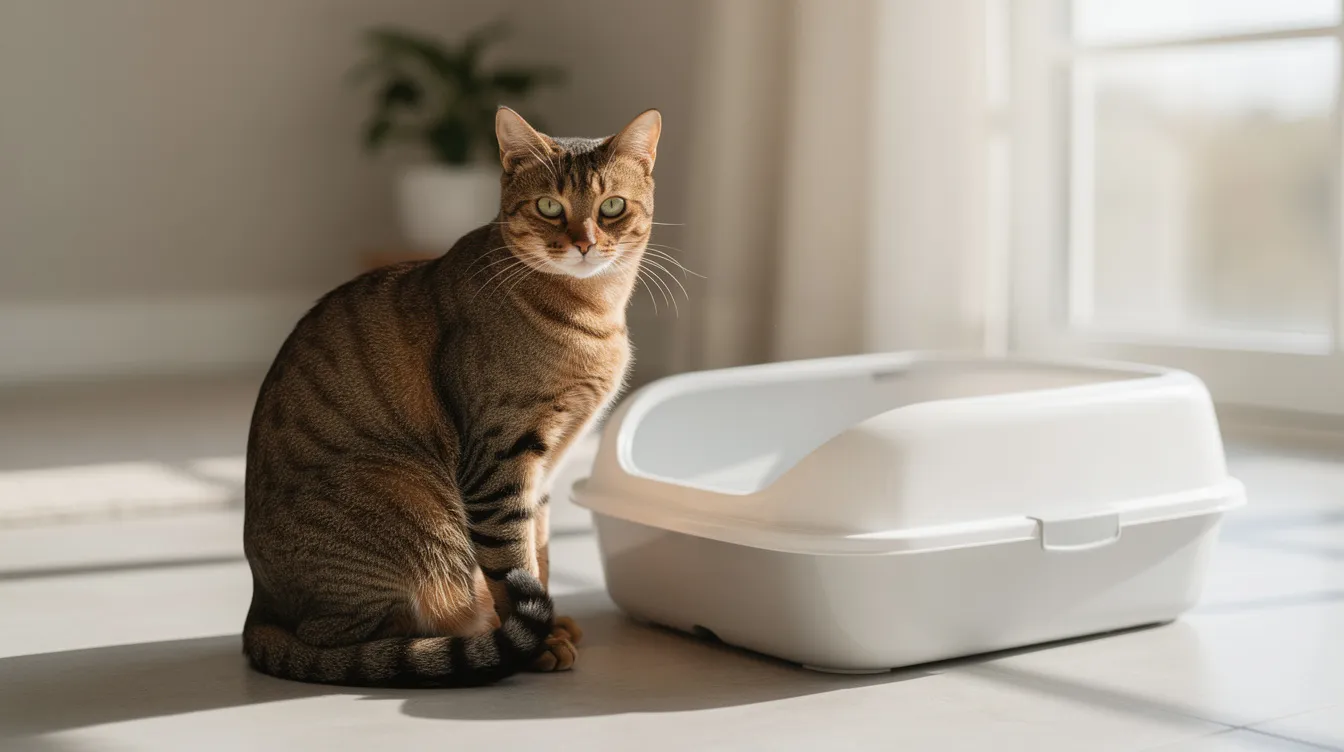
Scoop the litter box at least once daily, and ideally twice a day - morning and evening. Stinky waste should be scooped immediately when you notice it. Every other day is the bare minimum, not a target.
Removing both urine clumps and feces each session keeps ammonia levels low and helps cats feel comfortable returning to the same box. If you can smell the litter box from another room, or you see waste sitting on the surface, you are not scooping frequently enough.
Build scooping into your routine. It takes only two to three minutes per box when done regularly. For clumping litter, scoop clumps daily. For non clumping litter, remove visible feces daily and plan to dump the entire box more often.
Factors That Change How Often You Need To Scoop
"Once a day" is a baseline. Several factors push that number higher:
-
Number of cats: Scooping the litter box at least twice daily is recommended for multiple cats. In a small apartment, twice daily scooping is especially important because odors build quickly in tight space.
-
Number of boxes: More litter boxes help distribute waste and reduce cleaning frequency per box, but each box still needs daily attention.
-
Type of cat litter: Clumping clay holds urine in scoopable clumps. Non clumping litter lets urine spread, so the entire box saturates faster. Different types of litter change how often you dump and refill.
-
Box size and depth: A large, deep box with three to four inches of litter handles more use before it needs a complete change. A shallow pan fills up fast.
-
Cat health: Kittens, senior cats, and cats with kidney disease or diabetes may urinate more frequently, so check and scoop the box more often throughout the day.
Daily and Every-Other-Day Litter Box Routine
A simple daily routine keeps things manageable. Here is what it looks like:
-
Grab your litter scoop (use one with small holes for effective cleaning) and a trash bag or sealable litter-waste bag.
-
Scoop clumps and solid waste from each box. Shake the scoop gently to let clean sand or litter fall through.
-
Add fresh litter every two to three days to maintain a consistent depth of about three to four inches for clumping types.
-
Quickly check for unusual changes in urine color or stool consistency - daily scooping doubles as a passive health check.
Every other day scooping is a minimum only for very low-traffic setups: a single cat with multiple boxes. Most cats do best when you scoop daily. Homes using non clumping litter should dump and replace old litter every day or every other day to keep bacteria and smell under control.
Keep a small bin or bag next to the litter box area so you can dispose of waste fast. The easier the process, the more consistently you will do it.
Deep Cleaning: How Often To Dump, Wash, and Refill the Litter Box
Scooping removes visible waste, but urine residue, bacteria, and odor remain buried in the litter and stuck to the box over time. That is where a deep clean comes in.
Recommended schedule:
|
Litter Type |
Deep Clean Frequency |
|---|---|
|
Clumping clay (1 cat, scooped daily) |
Once per week |
|
Clumping clay (multi-cat, scooped 2×/day) |
Every 2–4 weeks |
|
Non clumping clay or pellets |
Every few days to once per week |
Full litter changes should occur every one to two weeks depending on the litter type. Cleaning should also include a full wash of the litter box with mild soap every two to four weeks. Dump and scrub the entire box every four to six weeks at minimum.
The deep clean process:
-
Dump all old litter into a sealed bag.
-
Wash the box with hot water and mild unscented dish soap. Scrub any dirt or residue with a brush or towel.
-
Rinse completely. Dry the box before you fill and refill with fresh litter to the recommended depth.
Avoid bleach or ammonia-based cleaners for routine washes - cats dislike strong chemical scents. Occasionally use vinegar or diluted hydrogen peroxide for stubborn odors, then rinse thoroughly. A light sprinkle of baking soda under the litter can help control smell between cleans.
Clumping vs Non-Clumping Cat Litter: How It Affects Your Schedule
The type of cat litter you choose directly controls your cleaning schedule. About 60% of cat owners prefer clumping litter, and for good reason.
-
Clumping litter (usually sodium bentonite clay) forms solid clumps around urine that you can remove quickly with a scoop. Clumping litter allows for easier waste removal and less frequent full changes because clean litter stays behind.
-
Non clumping litter absorbs urine but does not form scoopable clumps. Moisture spreads through the bed, so non clumping litter should be dumped daily for cleanliness. Non clumping litter must be completely changed each time.
-
Alternative substrates like paper pellets, pine pellets, or silica crystals may have manufacturer-specific guidelines, but still need daily solid-waste removal and a full change whenever persistent odor develops. Litter with odor control features can extend time between cleanings, but never replaces scooping.
If you switch litter, introduce it gradually over seven to ten days by mixing increasing amounts into the current litter. A sudden change can cause your cat to avoid the box.
Multi-Cat Homes: More Litter Boxes, Less Stress
More cats means more waste. The standard rule is to have one litter box per cat plus one extra. Two cats should ideally have three litter boxes. Multiple boxes prevent cats from avoiding dirty litter boxes.
Even with several boxes, scoop each box daily. High-traffic boxes may need scooping every time someone walks by and sees fresh waste. Survey data from a study of over 3,000 cat owners found that as the number of cats increases, owners who scoop more frequently report fewer house-soiling incidents.
Litter boxes should not be placed all in the same room to avoid territorial disputes. Spread them across different quiet areas of the house so every cat has low-stress access to a clean place. In multi-cat homes, tracking which cat might have diarrhea or changes in urine is easier when you notice differences between boxes during scooping.
When and How To Deep Clean Automatic Litter Boxes
Automatic or self-cleaning litter boxes reduce how often you scoop manually, but they do not eliminate the need for regular deep cleaning. The waste receptacle should be emptied every one to three days, or as soon as the unit's indicator shows it is full.
Do a full deep clean of the automatic litter box - including the rake, sensors, and internal surfaces - at least once a month. Multi-cat homes or hot, humid climates require more frequent attention. Use only compatible clumping cat litter to avoid jams. Unplug the unit before cleaning, wash removable parts with mild soap and warm water, and make sure all components are completely dry before reassembly.
Replacing Old Litter Boxes and Keeping Odors Down
Even the best cleanliness routine cannot undo years of scratches that harbor bacteria in a plastic litter box. Replace standard boxes about every one to two years, or sooner if they retain odor even after a deep clean. Mark the purchase month on the bottom of each new box with a permanent marker so you have a head start on knowing when to replace it.
Odor control habits that actually work:
-
Maintain proper litter depth and scoop daily
-
Keep the box in a well-ventilated space, not a tiny unventilated closet
-
Use unscented litter rather than scented products that mask smell temporarily
-
A light cover of baking soda under the litter helps neutralize odors
Avoid placing boxes next to loud appliances. Many cats will refuse a box near a washer or dryer regardless of how clean it is.
Health and Safety Tips for Litter Box Cleaning
Cat feces and used litter can carry bacteria and parasites that affect both cats and humans. Protect yourself during the process:
-
Wear gloves when scooping or handling waste. Wash hands thoroughly with soap and water afterward.
-
Work in a well-ventilated area when pouring or dumping dry litter to reduce inhalation of dust. A mask helps if you are sensitive.
-
Watch for health warning signs: blood in urine, diarrhea, or changes in the amount your cat produces. These should generally prompt a call to the veterinarian.
-
Immunocompromised people and some seniors should have another household member handle daily scooping when possible.
Special Considerations if You Are Pregnant
Cat feces can carry Toxoplasma gondii, a parasite that can be dangerous during pregnancy. Pregnant people should avoid cleaning litter boxes entirely if another adult in the household can take over both daily scooping and deep cleaning duties.
When avoidance is not possible, wear gloves and a mask while scooping, and wash hands thoroughly afterward. Scooping the box daily rather than every other day reduces the chance that Toxoplasma oocysts have time to become infective. Discuss any questions about litter box safety and toxoplasmosis risk with your healthcare provider for personalized guidance. You will be glad you took the extra precaution.
FAQ
Can I scoop my cat's litter box only every other day?
Every other day is the bare minimum and only works for a single cat with multiple boxes. Most families should aim for once-daily scooping at minimum. Going longer leads to overfilled boxes and cats choosing other places to pee or poop. Try a two-week test of twice-daily scooping - the difference in how your room smells and how happily your cat uses the box is worth the small time investment.
How deep should the cat litter be in the box?
Clumping clay cat litter generally works best at about three to four inches deep so urine can form solid clumps without sticking to the bottom. Non clumping clay and pellet litters can be a bit shallower, around one and a half to three inches, but must be replaced more often. Adjust depth based on your cat's digging habits: add more if your cat's paws hit the bottom, or use slightly less if litter gets kicked out constantly.
Is it okay to put the litter box in the bathroom or laundry room?
Bathrooms and laundry rooms work well if they are quiet, accessible to the cat around the clock, and have enough ventilation. Placing a box right next to noisy machines can scare some cats away. Test the location for a couple of weeks and monitor whether your cat uses the box consistently. When talking about location, convenience for you to scoop box daily matters too.
What should I do if my cat stops using the litter box even though I scoop it daily?
Schedule a veterinary exam first to rule out urinary tract infections, kidney disease, or arthritis. Then evaluate litter box factors: number of boxes, location, type of litter, and any recent changes. Try small adjustments one at a time - adding a box, switching to a soft unscented litter, or moving the box to a quieter area - so you can tell which change helps. Feel free to leave comments with your vet about what you have tried.
Can scented cat litter replace frequent scooping?
No. Scented cat litter masks odors temporarily but does not remove waste or bacteria. It should never be used as a reason to scoop less often. Many cats dislike strong perfume smells, especially when mixed with urine ammonia, and may avoid the box entirely. Use unscented litter and keep a healthy routine of daily scooping, regular deep cleaning, and proper ventilation instead. That approach delivers real cleanliness, not just a fragrance layer on top of a dirty box.