


Getting the litter depth right is one of the simplest ways to keep your cat happy and your home smelling clean. This step by step guide covers the ideal amount of litter for every cat, what goes wrong when you overfill or underfill, and a practical routine to maintain the perfect litter level.
Key Takeaways
Before you dig into the details, here's what you need to know about how much litter to put in litter box setups:
-
The recommended litter depth is 2–3 inches for most adult cats, with 3 inches of litter being a reliable "set and forget" standard for clumping cat litter.
-
Too little litter lets urine hit the tray bottom, causes clumps to stick, creates strong odors, and can lead to cats avoiding the litter box entirely.
-
Too much litter (over roughly 4 inches) feels unstable under paws, scatters outside the box, and wastes money without improving odor control.
-
Cat parents should scoop daily, top off litter every 2–3 days, and completely change and wash the entire litter box every 3–4 weeks for one healthy indoor cat.
-
Not all cats need the same depth-kittens, large breeds, older cats, and enthusiastic diggers each benefit from slight adjustments.
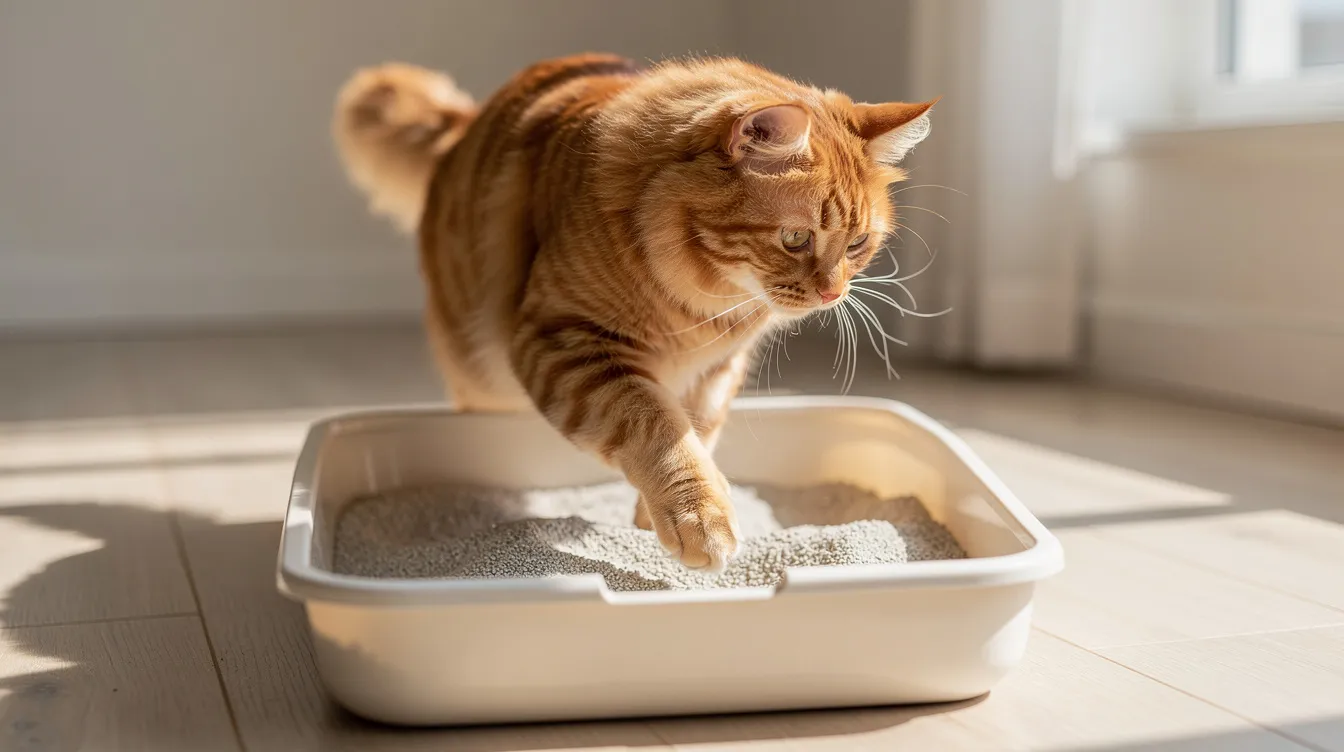
Why the Right Amount of Litter Matters
"How much litter should I put in the litter box?" is one of the most common questions cat parents ask, and for good reason. The answer directly affects your cat's well being, your household cleanliness, and even your ability to spot early health issues.
The right amount of litter in the box supports natural digging and burying behavior. Cats need enough litter to bury their waste effectively-it's an instinct that reduces stress and keeps the box cleaner between scoopings. Proper litter depth also affects how well you can monitor urine clump size, detect blood, or notice changes in poop consistency.
Choosing how much cat litter to use is litter ally as important as selecting the right type of litter or box shape. Get it wrong and both you and your cat pay the price in smell, mess, and frustration.
Ideal Litter Depth: How Much Litter Should I Put In the Litter Box?
For most cats, the answer is straightforward: fill your standard litter box with 2–3 inches of litter. A depth of 2 inches is sufficient for odor control and basic absorption, while the ideal litter depth for most adult cats sits closer to 3 inches.
For clumping litter-especially clumping clay litter-2.5–3 inches is the sweet spot. Clumping litter should maintain a depth of 3 to 4 inches if your cat digs aggressively, but for the average cat, 3 inches delivers the right balance of clumping performance, easy scooping, and odor control.
Use a ruler the first time you fill the box so you can recognize the correct depth by sight afterward. Make sure the litter forms an even layer across the entire box-no mound in the center and no bare corners.
When 2–3 Inches Isn't Quite Right: Adjusting for Age, Size & Habits
The standard depth is a starting point. Your cat's preferences, size, and age may call for slight adjustments:
-
Kittens: Use 1.5–2 inches of litter so tiny paws don't "swim." Kittens may prefer a shallower depth of around 1.5 inches until they grow into a full-sized box.
-
Large breeds (Maine Coons, Ragdolls): Go with 3–3.5 inches of litter to satisfy deeper digging and handle larger urine volumes.
-
Enthusiastic diggers: For cats that dig a lot, a depth of up to 4 inches may be preferred. Watch for heavy litter tracking or your cat perching on the rim instead of stepping in.
-
Senior cats or cats with arthritis: Senior cats should have a litter depth of around 2 inches. Shallow litter reduces the effort needed to balance, dig, and turn around. A low-sided litter tray also helps.
If your cat feels uncertain-avoiding the box, perching on the edge, or digging frantically-adjust depth by about half an inch at a time and observe behavior over several days.
Too Little vs. Too Much: What Happens When Litter Depth Is Wrong?
Both extremes cause real problems. A dirty litter box from too little litter drives cats away, while an overfilled one creates mess and waste. The good news: finding the right litter depth is a quick fix that often improves litter box behavior within days.
Signs There's Not Enough Litter in the Box
Using less than 2 inches of litter can lead to odor issues almost immediately. Here's what to watch for:
-
Urine hits the plastic base, creating wet spots and strong ammonia smell that no amount of clean litter on top can mask.
-
Clumps stick to the bottom or walls, making scooping difficult and leaving residue that breeds bacteria.
-
Your cat may struggle to properly cover waste, leading to exposed poop and strong odors.
-
Some cats will start eliminating just outside the cat's litter box if the surface feels too thin or dirty. Cats may avoid the litter box with insufficient litter.
Fix: Gradually add litter-about half an inch at a time-until your cat buries waste easily and the box smells fresher between cleanings.
Signs There's Too Much Litter in the Box
Too much litter can exceed 4 inches, and overfilling a litter box can lead to messy spills. Using more than 3 to 4 inches of litter can lead to tracking and waste. Here's what happens:
-
The surface shifts like a sand dune, making some cats feel wobbly or unsafe. Excess litter can make digging awkward for cats.
-
Cats fling much litter over the edges during digging, causing heavy litter tracking and constant sweeping.
-
Very deep litter causes cats to "sink," so they perch on the rim, sometimes causing accidents outside the box.
-
Overfilling wastes extra litter and money without improving your cat's comfort.
Fix: Remove litter a scoop at a time, testing until your cat enters and exits calmly and scatter around the entire box noticeably decreases.
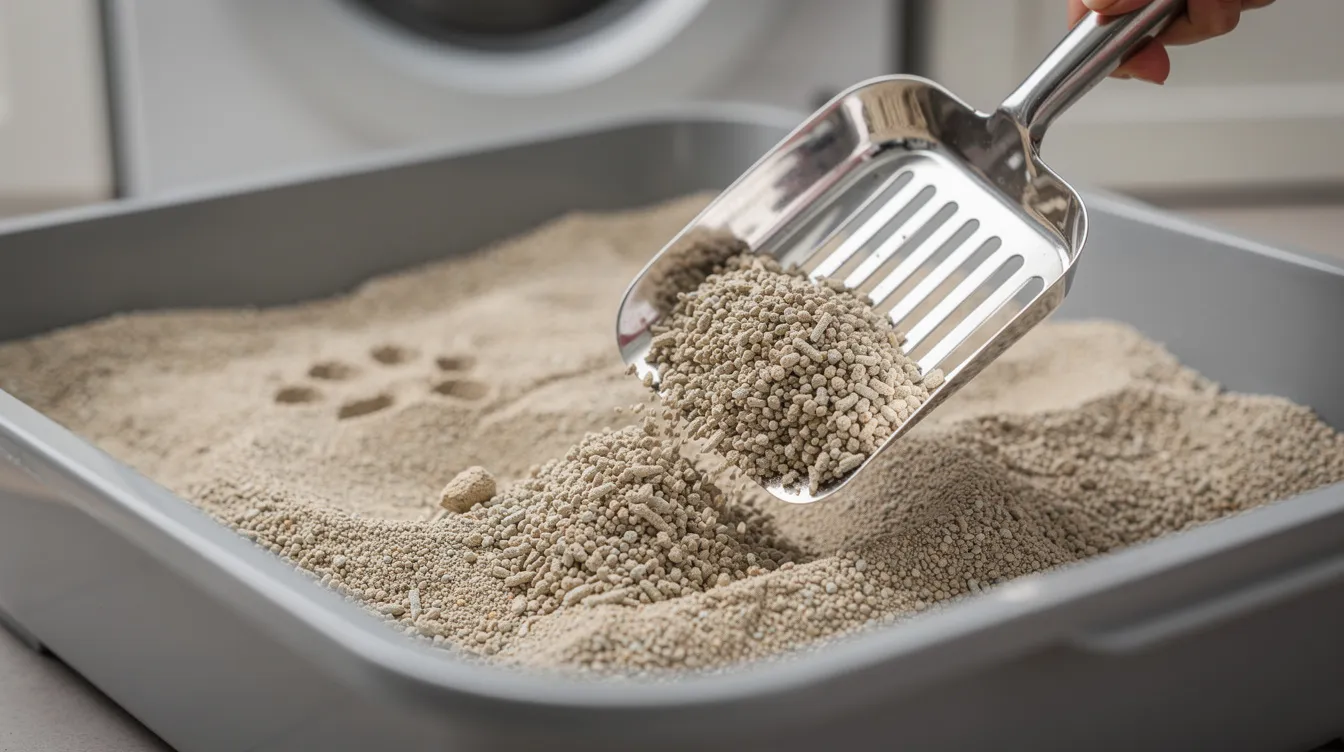
How to Fill a Litter Box Step by Step
A consistent setup routine helps you maintain the right amount of litter every time. Here's how:
-
Empty the entire litter box and wash it with hot water and an unscented, pet-safe cleaner. Rinse thoroughly to remove strong odors and residues.
-
Dry the box completely.
-
(Optional) Add a liner if you use one.
-
Pour in fresh litter to about 2–3 inches of depth. Use new litter each time you do a full change.
-
Level the surface evenly and place the box back in its regular spot.
Mark the "ideal fill line" inside the box with a small piece of tape at 2.5–3 inches as a quick reference for future refills.
After filling, observe the first few uses. Confirm your cat can dig, squat, and turn around comfortably. If your cat is litter box trained and suddenly hesitates, the depth may need a small tweak.
How Often Should You Add Litter?
Every time you scoop, you remove both waste and some clean litter, so the litter level slowly drops. Here's a practical routine:
-
Daily: Scoop the litter box at least once per day. Scoop the litter box daily to control odors. For multiple cats, scoop twice daily.
-
Every 2–3 days: Top off litter to maintain depth. Add about 0.5 inch of fresh litter each time.
-
Every 3–4 weeks: For one cat using clumping litter, completely change the litter and scrub the box. It is recommended to completely replace the litter and scrub the box every one to two weeks for non clumping litter.
-
Multi-cat homes: If you have more than one cat, increase topping-up frequency and do full changes every 2–3 weeks, even if litter depth per box stays at 2–3 inches.
How many cats you have and how much cat litter you use will dictate your exact schedule, but maintaining 2–3 inches of litter depth in the box is the constant.
How Much Litter for Self-Cleaning or Automatic Boxes
A self cleaning litter box-whether it's a Litter Robot or another brand-often has its own depth requirements. Self cleaning boxes typically include a fill line printed inside the globe or tray, usually corresponding to about 2 inches of litter.
Adding more granules than indicated can interfere with weight sensors or sifting mechanisms, causing error messages or improper cycling. Even with automatic systems, visually check litter depth weekly and add litter as needed. Watch your cat's comfort and entry habits as an extra check that the system is filled correctly.
Choosing Litter Type and How It Affects Litter Depth
Different litters behave differently at the same depth:
|
Litter Type |
Recommended Depth |
Notes |
|---|---|---|
|
Clumping clay litter |
2.5–3 inches |
The standard; reliable clumping and odor control |
|
Non clumping litter |
2–3 inches |
Replace more frequently since it doesn't clump |
|
Silica/crystal |
1–1.5 inches |
High absorbency; follow manufacturer guidance |
|
Wood/paper pellets |
1.5–2.5 inches |
Pellets break down; shallower works better |
|
Natural grain (corn, wheat) |
2–3 inches |
Settles over time; needs more frequent top-ups |
Use the brand's specific guidance as a starting point, then adjust by about half an inch based on your cat's behavior and odor levels. Very lightweight litters may track more at deeper levels, so staying closer to 2 inches can reduce scatter. Regardless of type of litter, the goal is a surface deep enough for digging but shallow enough to stay stable and easy to scoop. A high quality litter at the right depth will outperform a cheap litter piled high every time.
Keeping the Box Fresh: Odor, Health & Maintenance
Proper litter depth and a clean litter box go hand in hand. The right amount of litter makes scooping easier, which helps you notice early signs of health issues like diarrhea, blood in urine, or changes in clump size.
Adding more and more litter is not a substitute for scooping. Litter box odor control comes mainly from daily cleaning and full litter replacement on schedule. Cats love a fresh, well-maintained box-and both you and your cat benefit when the routine stays consistent.
Simple routine recap for one cat: daily scoop → top up every few days → wash and fully replace litter every 3–4 weeks. For two cats, shift full changes to every 2–3 weeks.
Contact your veterinarian if you notice sudden changes in how often your cat uses the box, unusual clump sizes, or if the cat starts avoiding the box despite a correct litter depth. These can signal health issues that go beyond litter management.
FAQ
These questions address edge cases that cat parents often wonder about after learning the basic 2–3 inch rule.
How do I measure 2–3 inches of litter without guessing?
Use a regular school ruler or tape measure the first time and mark a small line inside the box at the 2.5–3 inch height. Once marked, simply fill to that line each time. Check depth at the center and corners, since cats dig and push litter around, causing slopes.
Does a bigger litter box mean I need more than 3 inches of litter?
No. Box size changes how many pounds of much cat litter you pour in, but the ideal litter depth stays around 2–3 inches for comfort and function. A larger box just needs more total litter to maintain the same depth across the entire floor area. Use a ruler in one corner to confirm the depth is still in the correct range.
What's the right litter depth for a cat with arthritis or mobility problems?
These cats usually do best with a stable layer of about 2 inches of litter so they can stand and turn without sinking. Use a low-sided box to make stepping in and out easier, and keep the litter level a bit below the entrance lip. If your cat feels unsteady or struggles to dig, keep the litter slightly shallower and scoop more frequently to keep the surface clean.
Should I immediately change litter depth if my cat stops using the box?
Rule out medical problems with a vet visit first. If health issues are cleared, adjust depth in 0.5 inch increments-either adding or removing some litter-and observe behavior over several days. Keep the box in the same location and don't change litter type at the same time, so depth is the only variable being tested.
How much cat litter should I travel with for a temporary or hotel litter box?
Pack enough litter to create about 2 inches of depth in a disposable or travel litter tray for the expected number of days away. For a weekend trip with one cat, about 5–7 pounds of clumping litter is usually enough to maintain proper depth with daily scooping. Keep the depth consistent with what the cat has at home to reduce stress and encourage reliable use while traveling.
Michu's Pick
A litter box is only as good as the litter inside it. To make maintaining the ideal 2–3 inch litter depth easier, we recommend pairing a spacious litter box like the Michu XXL Stella Deluxe Cat Litter Box with a highly absorbent litter such as Wonder Litter or Mixed Tofu Cat Litter Lite. Better clumping means less waste, easier scooping, and a cleaner box between refills, helping your cat enjoy a consistently comfortable litter experience. 🐱✨