


Key Takeaways
-
Cat food does not directly cause blindness in dogs the way a toxin or poison would—there is no instant “lights out” effect from eating it.
-
Long-term feeding of cat food can contribute to obesity, pancreatitis, and metabolic disorders like diabetes, which may indirectly lead to vision problems such as cataracts.
-
Most cases of blindness in dogs stem from specific eye diseases (cataracts, glaucoma, progressive retinal atrophy) or systemic conditions (diabetes, hypertension), not from what type of pet food they ate.
-
A few bites stolen from the cat's bowl are usually harmless for healthy dogs, but regular consumption of cat food instead of dog food is not recommended.
-
If your dog shows sudden vision changes, treat it as a medical emergency and see a vet immediately—don’t assume the cat food is to blame.
Quick Answer: Can Cat Food Make a Dog Go Blind?
Cat food is not a known direct cause of blindness in dogs. There is no veterinary evidence suggesting that eating cat food triggers sudden retinal damage or vision loss the way certain toxins might. However, a long-term, unbalanced cat-food-only diet is unhealthy and may worsen conditions that can affect vision over time.
Veterinary ophthalmology literature does not list “eating cat food” as a primary cause of canine blindness. Vision loss in dogs is usually linked to specific eye diseases—cataracts from diabetes, glaucoma, or retinal degeneration—and systemic illnesses rather than the mere presence of cat food in the diet. The nutritional differences between cats and dogs matter for overall health, but they do not create an immediate threat to your dog’s eyesight.
If a dog that regularly eats cat food starts bumping into furniture, squinting, or avoiding dim light, owners should suspect an underlying eye or metabolic disease and see a vet promptly. The rest of this article will separate myths from facts and give you concrete feeding strategies to protect your furry friend’s eyesight and overall well being.

The Nutritional Divide Between Dogs and Cats
Dogs are omnivores with flexible digestive systems, while cats are obligate carnivores that require specific nutrients found almost exclusively in animal tissues. Pet food formulas in the US, UK, EU, and elsewhere are designed around these fundamental nutritional differences. Cat dog food should not be used interchangeably, as each species has unique dietary needs and potential health risks if fed the wrong food. This means a food that meets feline requirements—designed to meet feline nutritional needs—may fall short—or overshoot—what a dog actually needs.
Commercial recipes follow standards like AAFCO in the US and FEDIAF in Europe, which set different minimums for protein, fat content, and key nutrients in dog food versus cat food. Because of these species specific differences, each species has specific nutritional requirements that must be met for optimal health. For example, cats have higher protein requirements than dogs, needing more animal-based protein to thrive. A product labeled “complete and balanced” for cats is not automatically appropriate for dogs. This nutritional divide is the real concern with dogs regularly eating cat food—not an inherent “poisoning” effect on the eyes.
In addition, cats require certain fatty acids, such as arachidonic acid, in their diet because they cannot synthesize them on their own, unlike dogs. Fatty acid deficiencies can impact skin health, reproductive function, and overall well-being in cats.
The Role of Taurine and Other Nutrients
Taurine is an essential amino acid for cats—without sufficient dietary taurine, cats can develop retinal degeneration and heart disease. Dogs, however, can synthesize their own taurine from other amino acids like methionine and cysteine. Most dog foods contain less taurine than cat foods, but taurine deficiency-related blindness is well documented in cats and extremely rare in dogs.
When dogs eat cat food, taurine excess is not the concern—if anything, cat food provides more taurine than dogs need, not less. The confusion often arises when pet owners read about taurine deficiency causing blindness in cats and assume the same logic applies to dogs. It doesn’t work that way because of how differently these two species process nutrients.
Other nutrients are tailored differently between the species:
|
Nutrient |
Cat Food |
Dog Food |
|---|---|---|
|
Protein |
30-45% (higher) |
18-26% (moderate) |
|
Fat |
Higher content |
Moderate content |
|
Vitamin A |
Pre-formed retinol required |
Can convert beta carotene |
|
Arachidonic acid |
Must be in diet |
Dogs synthesize it |
|
Taurine |
Essential, high levels |
Dogs make their own |
Feeding the wrong balance for months to years can contribute to obesity, gastrointestinal stress, and metabolic strain. These conditions can aggravate diseases that might threaten vision—for example, diabetes leading to cataracts. Unlike dogs, cats cannot convert plant based nutrients to certain essential compounds, which is why cat nutrition demands animal based proteins so heavily.
Protein, Fat, and Calorie Differences
Typical adult dry dog food often contains around 18–26% protein, while many adult dry cat foods sit closer to 30–40% protein with proportionally more animal fats. Cat food commonly has higher fat and calorie density per cup to support a smaller, strictly carnivorous animal. This makes wet cat food and dry cat food alike very rich for many dogs, especially small breeds or sedentary pets.
Dogs are often drawn to cat food because it smells and tastes stronger and meatier than most dog foods. The higher healthy fats and animal based proteins create an irresistible aroma that makes the cat’s bowl a prime target. In multi-pet households, this can lead to overeating when bowls are freely accessible.
Prolonged consumption of these richer formulas predisposes dogs to weight gain, pancreatitis, and digestive upset. These are real health problems even if they do not directly “turn the lights off” in the eyes. The high fat content in cat food is particularly concerning for dogs predisposed to pancreatic issues.
Life Stage and Nutrition: Why Age Matters in Pet Diets
Just like people, dogs and cats have changing nutritional needs as they move through different stages of life. Puppies and kittens are bundles of energy, requiring dog food and cat food packed with animal based proteins and healthy fats to fuel their rapid growth and development. These young pets also need higher levels of certain nutrients, such as arachidonic acid for kittens, to support healthy brain, eye, and immune system development.
As pets mature, their bodies and activity levels change. Adult dogs and cats need a balanced diet that maintains their optimal health without leading to weight gain. For older cats and senior dogs, calorie requirements often decrease, and digestive systems may become more sensitive. At this life stage, pet owners should look for foods with added fiber, joint-supporting supplements, and easily digestible ingredients to help manage weight and support mobility.
Choosing the right food for your pet’s age isn’t just about calories—it’s about meeting their unique nutritional needs at every stage. Consulting your veterinarian can help you select the best dog food or cat food for your furry friend, ensuring they get all the essential nutrients they need for a long, healthy life.
What Really Happens When Dogs Eat Cat Food?
Many pet parents with both dogs and cats see food stealing happen on a weekly basis. It’s helpful to separate short-term “stolen snacks” from a long-term cat-food diet when assessing risk. The dog’s age, breed, life stage, and existing conditions—such as a history of pancreatitis, diabetes, or food sensitivities—make all the difference in how risky cat food is for them.
For most healthy dogs, the main immediate issues are digestive, not eye-related. A healthy adult dog that raids the cat’s bowl once will likely experience nothing more than a rich meal that might upset its stomach temporarily. The high fat and protein content in cat food can negatively impact a dog's digestive system, leading to gastrointestinal upset such as diarrhea or vomiting. However, repeated access over months or years can contribute to metabolic disorders that indirectly affect eye health, such as diabetes-associated cataracts.
Short-Term Effects After a Cat-Food Raid
The most common acute signs within hours of a dog eating cat food include:
-
Vomiting
-
Diarrhea or soft stool
-
Flatulence and bloating
-
Temporary loss of appetite
-
General discomfort
Mild cases often resolve within 12–24 hours in otherwise healthy dogs with rest and access to water. However, owners should call a vet if symptoms persist, worsen, or are accompanied by lethargy or abdominal pain. The dog’s digestive system can usually handle dietary mishaps, but this doesn’t mean regular consumption is safe.
Sensitive dogs or those with food allergies may show itching, ear irritation, or skin flare-ups if the cat food contains an offending protein like chicken, beef, or fish. These reactions relate to the specific ingredients, not to cat food being inherently toxic.
Sudden blindness right after eating cat food is extremely unlikely and should trigger an emergency vet visit to investigate other causes such as acute glaucoma, trauma, or toxin exposure.
Long-Term Health Risks of Regular Cat Food Feeding
Dogs fed cat food daily in place of feeding dog food are at higher risk of obesity, especially neutered adults and less active dogs, due to calorie-dense formulas. Obesity creates a cascade of health problems that affect multiple body systems.
Chronic overconsumption of rich, fatty cat food increases the likelihood of pancreatitis, particularly in breeds like:
-
Miniature Schnauzers
-
Yorkshire Terriers
-
Cocker Spaniels
-
Dogs predisposed to the condition
Long-term nutrient imbalance may also contribute to gastrointestinal disease, poor stool quality, and endocrine problems like insulin resistance or diabetes in susceptible dogs. Here’s where the eye connection becomes relevant: diabetes is strongly associated with cataract formation in dogs. Approximately 75% of diabetic dogs develop cataracts and significant vision impairment within one year of diagnosis if blood sugar is poorly controlled.
While cat food is not uniquely “blinding,” relying on it instead of a balanced diet increases the overall disease burden that can shorten lifespan and impair quality of life—including sight. The link between diet and vision is indirect but real for dogs with metabolic disorders.
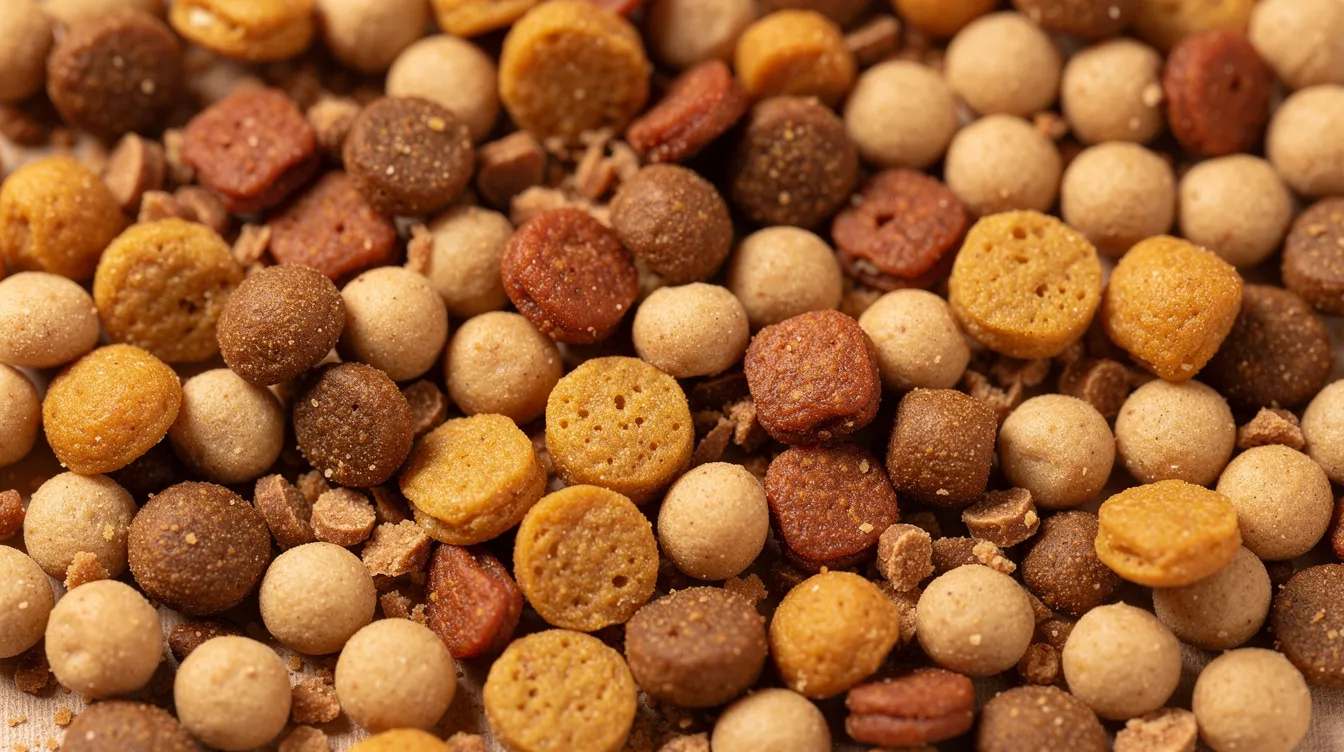
Blindness in Dogs: Main Causes vs. Feeding Myths
Blindness in dogs is usually traced to eye-specific diseases or systemic illnesses, not simply to what brand or species of food is in the bowl. Veterinary ophthalmologists frequently diagnose conditions like cataracts, glaucoma, progressive retinal atrophy (PRA), and retinal detachment as primary culprits of sight loss.
These conditions often have genetic, age-related, immune, or metabolic roots. Inappropriate dog diets can aggravate some of these conditions but are rarely the sole cause. Understanding what actually threatens your pet’s health and vision is crucial—focusing on overall pet's health, including proper nutrition and preventive care, is more important than worrying about the occasional dietary mishap.
Common Eye Conditions That Lead to Blindness
Cataracts involve clouding of the lens that blocks light from reaching the retina. In dogs, cataracts are often genetic or linked to diabetes. Many diabetic dogs develop cataracts within months of diagnosis if sugar is poorly controlled, leading to partial or complete vision loss.
Glaucoma is high pressure inside the eye that damages the optic nerve. It’s very painful and potentially blinding within hours to days if untreated. Predisposed breeds include Cocker Spaniels, Basset Hounds, and Beagles. Symptoms include redness, cloudiness, and a visibly enlarged eyeball.
Progressive Retinal Atrophy (PRA) is an inherited degeneration of the retina seen in breeds such as Labradors, Poodles, and Dachshunds. It leads to gradual night blindness that progresses to complete blindness, with no known cure.
Retinal detachment involves separation of the retina from its underlying support tissue. It’s often associated with hypertension, trauma, or inflammation and can cause sudden blindness that may be partially reversible if treated immediately.
Sudden Acquired Retinal Degeneration Syndrome (SARDS) causes rapid-onset blindness over days to weeks. The cause remains unknown, and vision loss is typically permanent.
These diagnoses are made by veterinary professionals through eye exams, tonometry, and sometimes referral to veterinary ophthalmologists—not by guessing based on diet alone.
Systemic Diseases, Diet, and Vision Loss
Systemic conditions like diabetes mellitus, chronic high blood pressure (hypertension), and some autoimmune diseases can all damage ocular structures over time. The connection between what your dog eats and how well it sees runs through these metabolic pathways.
Consistent overfeeding—including with rich cat food—raises the risk of obesity, which is a major factor in insulin resistance and type 2–like diabetes in some dogs. The pattern of feeding (too many calories, wrong nutritional requirements) matters more than the mere presence of “cat food” instead of “dog food.”
Poorly managed diabetes can cause rapid cataract formation in dogs, sometimes within weeks. This can ultimately lead to significant vision impairment or blindness without surgical intervention. The financial burden of cataract surgery and ongoing diabetes management adds stress for many pet parents dealing with these issues.
Owners of overweight dogs or dogs on unconventional diets should ask their vet about metabolic screening—including bloodwork and blood pressure checks—as part of protecting eye health.
Is There Any Direct Link Between Cat Food and Blindness in Dogs?
Based on current veterinary medicine knowledge, cat food is not recognized as a direct, primary cause of canine blindness in the way that certain toxins or genetic diseases are. No peer-reviewed studies have documented retinal degeneration or blindness in otherwise healthy dogs strictly due to cat food intake.
The myth often arises from confusion about taurine. Cats require dietary taurine to prevent retinal degeneration, and this fact gets misapplied to dogs. But dogs synthesize their own taurine, and research on canine taurine-associated eye disease is limited, generally focusing on specific breeds and home-cooked or unusual diets rather than dogs overeating commercial cat food.
The realistic risk from cat food is nutritional imbalances, weight gain, and pancreatitis—conditions that may indirectly contribute to diseases like diabetes that can threaten vision. Any dog showing sudden or progressive vision issues deserves a thorough medical and ophthalmic workup, regardless of what food they have been eating.
When to Suspect an Eye Problem (Not a Food Problem)
Watch for these behavioral changes that suggest vision issues:
-
Bumping into door frames, furniture, or walls
-
Reluctance to use stairs or jump onto familiar surfaces
-
Hesitation in dim rooms or at night
-
Clinging more closely to you during walks
-
Startling easily when approached
Physical signs that warrant immediate attention:
-
Cloudiness or whitening of one or both eyes
-
Red or bloodshot eyes
-
Visible enlargement of the eyeball
-
Unevenly dilated pupils
-
Eye pain (squinting, pawing at face, rubbing on carpet)
Systemic clues that may indicate diabetes or hypertension affecting the eyes:
-
Increased thirst and urination
-
Sudden weight loss despite appetite
-
Nosebleeds
-
Episodes of disorientation
These signs should prompt a same-day or urgent veterinary visit. Some causes of acute blindness are treatable if caught quickly—waiting and hoping the problem resolves is not a safe strategy. Even if your dog has been sneaking cat food, don’t assume the food alone explains vision changes. Proper diagnosis through veterinary medicine is essential.
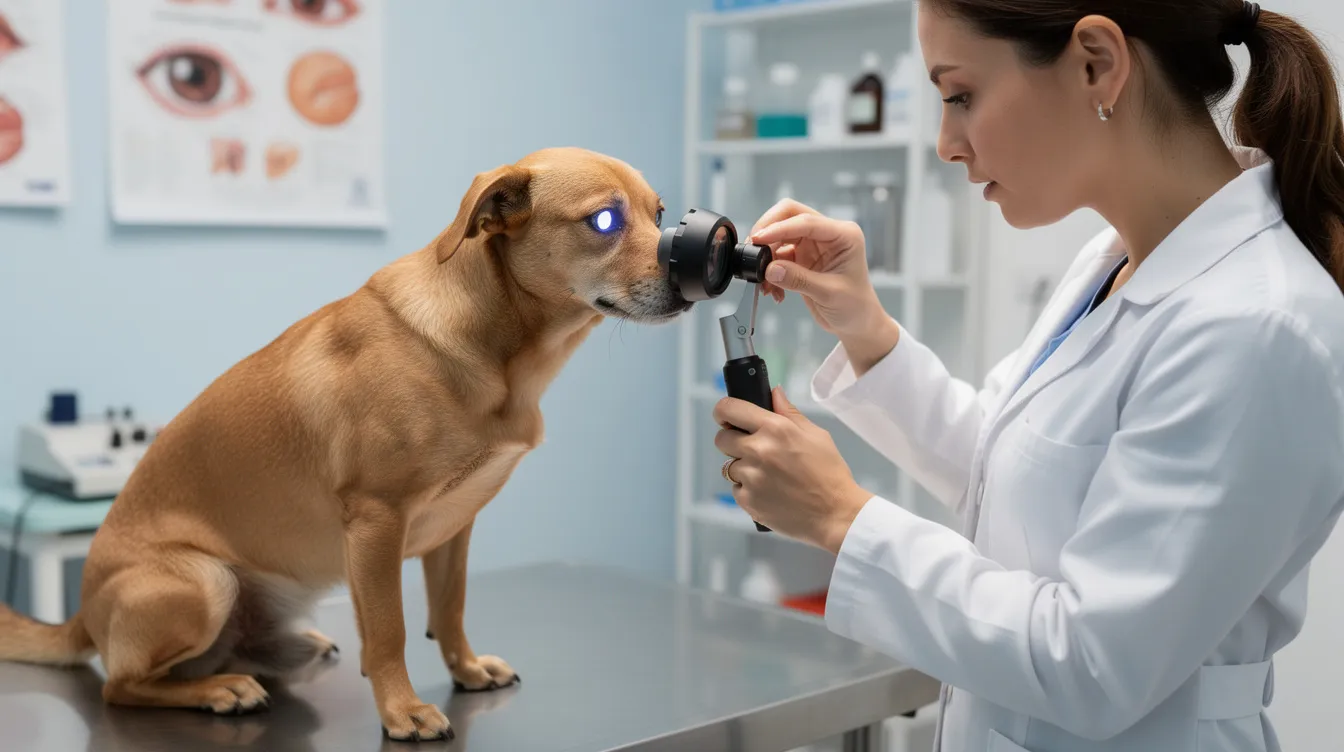
High-Quality Food: Choosing the Best for Both Pets
When it comes to your pet’s well being, the quality of their food makes all the difference. High-quality dog food and cat food are formulated to provide optimal health by delivering all the essential nutrients your pet needs. Look for foods that list specific animal sources, like chicken or salmon, as the main protein, and avoid those with vague ingredients like “meat by-products” or unnecessary fillers.
For dogs, a diet rich in protein and moderate in healthy fats supports muscle maintenance and energy. Cats, being obligate carnivores, thrive on cat food that is high in protein and low in carbohydrates, with plenty of healthy fats to support their skin and coat. Brands that prioritize quality ingredients and transparent sourcing, such as Orijen, Acana, Hill’s Science Diet, and Royal Canin, are often recommended by veterinarians.
Supplements like omega-3 fatty acids and probiotics can further support your pet’s skin, coat, and digestive health. By choosing high-quality food and considering your pet’s individual needs, you’re investing in their long-term health and happiness.
How to Keep Dogs Safe Around Cat Food
The safest strategy is to feed species-appropriate diets and prevent regular cross-feeding, particularly in multi-pet households where dogs and cats share space. Protecting the cat's diet by ensuring only your cat has access to its food is important, as this maintains the nutritional balance cats need and prevents dogs from consuming food not intended for them. These practical tips can make all the difference without requiring expensive equipment or drastic lifestyle changes. Beyond nutrition, these strategies help avoid food-guarding conflicts and mealtime stress between your feline friends and canine companions.
Separate Feeding Areas and Schedules
Feed dogs and cats in different rooms, or at least in opposite corners of the same room. Use baby gates, closed doors, or pet barriers during meals to give each animal space to eat without competition.
Establish scheduled meal times instead of free-feeding, particularly for dogs. Leaving bowls down all day creates an open buffet that food-motivated dogs will exploit. Most dog foods are designed to be fed in measured portions anyway.
Pick up uneaten cat food after 15–20 minutes. This reduces opportunities for the dog to “clean up” later and helps maintain your cat’s diet consistency too—important if you have older cats or cats on prescription food.
Supervise mealtimes in homes where the dog is very food-motivated or has a history of pancreatitis, obesity, or other diet-sensitive health problems.
Use Height and Hardware to Your Advantage
Many healthy cats are natural climbers comfortable eating on raised surfaces where most dogs cannot reach. Options include:
-
Sturdy kitchen counters (if your household rules allow)
-
Tall cat trees with built-in bowl platforms
-
Wall-mounted feeding shelves
-
Elevated cat feeding stations
For households with medium and large dogs that repeatedly steal cat food, elevated or wall-mounted feeding stations can solve the problem permanently. The cat learns its feeding spot, and the dog physically cannot reach it.
Microchip activated feeders that only open for the cat wearing a linked RFID tag are particularly helpful when the dog and cat are similar in size. These also benefit households where the cat is on a weight-management or prescription diet and must not share food with other pets.
Training and Providing Better Dog-Friendly Options
Basic obedience commands help manage behavior around the cat’s bowl:
-
“Leave it” to redirect attention away from cat food
-
“Stay” or “place” to keep the dog in a designated spot during cat mealtimes
-
Positive reinforcement when the dog ignores the cat’s bowl
Ensure your dog’s own regular diet is palatable, complete, and appropriate for its age, activity level, and distinct dietary requirements. A satisfied dog is less tempted to seek richer alternatives. Most healthy dogs thrive on quality commercial dog food formulated for their life stage.
Use puzzle feeders or slow-feeding bowls for your dog to make mealtimes more engaging. This reduces scavenging behavior once the dog finishes its own meal. Consistent boundaries—never allowing cat-food “treats” on purpose—make it easier for the dog to understand that the cat’s bowl is always off-limits.
The Importance of Monitoring Health in Multi-Pet Homes
In homes where dogs and cats live together, keeping an eye on everyone’s eating habits is key to preventing health problems. Dogs may be tempted to eat cat food, which can lead to gastrointestinal upset and nutritional imbalances, while cats that eat dog food may miss out on essential nutrients like taurine and arachidonic acid—putting their health at risk.
Pet owners should regularly monitor both pets for signs of trouble, such as vomiting, diarrhea, changes in appetite, or unusual behavior. These symptoms can signal gastrointestinal upset or more serious nutritional imbalances. Regular veterinary check-ups are essential to catch any health problems early and ensure both dogs and cats are getting the essential nutrients they need from their own species-appropriate diets.
By staying vigilant and proactive, pet owners can help their furry companions avoid the pitfalls of dietary mishaps and enjoy a healthier, happier life together.
When to Call the Vet if Your Dog Ate Cat Food
Most minor cat-food raids are not emergencies, but clear red-flag situations exist where veterinary advice or urgent care is wise. Puppies, senior dogs, toy breeds, and dogs with known medical conditions are more vulnerable to dietary upsets and complications.
Being proactive helps—a quick phone call to your clinic can clarify whether home monitoring is sufficient or an exam is needed. Many pet insurance plans cover consultations, making it easier to seek professional guidance without worrying about cost.
Red Flags After Eating Cat Food
Concerning symptoms within 24 hours:
-
Repeated vomiting (more than 2-3 times)
-
Profuse diarrhea
-
Abdominal pain (hunched posture, whining, reluctance to move)
-
Marked lethargy or depression
-
Refusing water
Signs of potential allergic reaction:
-
Breathing difficulty
-
Facial swelling
-
Hives or sudden skin irritation
Longer-term warning signs to monitor:
-
Unexplained weight gain over weeks
-
Increased thirst and urination
-
Changes in appetite or energy level
Any signs of eye trouble—sudden cloudiness, redness, squinting, or bumping into objects—should always be treated as an eye-health emergency regardless of diet history. Vision issues require immediate harm assessment by a veterinary professional.
When visiting the vet, bring a photo of the cat-food label and an estimate of how much was eaten. This information helps your vet form a complete picture of what happened and what risks your dog faces.
Cats and Dogs Coexisting: Tips for Peaceful Mealtimes
Mealtime harmony is possible in multi-pet households with a few simple strategies. To prevent dogs from sneaking cat food—and vice versa—pet owners should feed dogs and cats in separate areas or at different times. Using microchip activated feeders for your cat can ensure only the right pet has access to their food, especially if your dog is particularly persistent.
Elevating the cat’s food bowl or placing it in an area only accessible to cats can also help keep dog noses out of the cat food. Consistency is key: always provide each pet with their own food and water bowls, and supervise mealtimes when necessary. Reward calm, respectful behavior and avoid punishing pets for food-related squabbles, as this can increase stress.
With a little planning, you can create a peaceful, stress-free feeding routine that keeps both dogs and cats happy and healthy.
Dog and Cat Friendship: Beyond the Food Bowl
A strong bond between dogs and cats goes far beyond what’s in their bowls. Pet owners can nurture friendship and harmony by providing plenty of opportunities for play, exercise, and positive interaction. Toys, scratching posts, and interactive games can help both dogs and cats burn off energy and reduce tension.
It’s also important to give each pet their own safe space to retreat to, whether it’s a cozy dog bed or a high perch for your cat. Positive reinforcement training can teach dogs and cats to respect each other’s boundaries and coexist peacefully. By focusing on their emotional and social needs, pet owners can help dogs and cats develop a lasting friendship—making your home a happier place for everyone.
Regular attention, mental stimulation, and lots of love are the foundation for a harmonious multi-pet household where both dogs and cats can thrive together.
Frequently Asked Questions (FAQ)
Can a single bowl of cat food make my dog go blind overnight?
There is no evidence that one serving of commercial cat food can cause sudden blindness in a healthy dog. This simply doesn’t happen—cat food lacks any compound that would damage retinal tissue immediately. Sudden overnight blindness is far more likely caused by conditions like acute glaucoma, retinal detachment, or sudden acquired retinal degeneration syndrome, all of which need immediate veterinary attention. If your dog loses vision abruptly, treat it as an emergency and head to a vet or emergency clinic rather than attributing it to a recent cat-food snack.
Does wet cat food pose a different risk to dogs than dry cat food?
Wet cat food is often higher in fat, has a stronger aroma, and is especially tempting to dogs, which can increase the risk of overeating at a single sitting. The rich, meaty texture can trigger more dramatic short-term stomach issues in sensitive dogs compared to dry kibble. However, both wet and dry cat foods are formulated for cats, not dogs, so neither should be used as a regular canine diet. All the same cautions about digestive upset, pancreatitis risk, and calorie overload apply regardless of the cat food format.
Is there any situation where it’s acceptable to feed a dog cat food?
In a short-term emergency—such as being snowed in with no dog food available—most healthy adult dogs can safely eat small amounts of cat food for a day or two without experiencing immediate harm. This should be a temporary stopgap only, and owners should return to complete and balanced dog food as soon as possible. For dogs with medical conditions like pancreatitis, kidney disease, or diabetes, even short-term cat-food use should be discussed with a vet because of the higher fat, protein, and mineral levels that can worsen these conditions.
Could my dog’s blindness be related to a homemade or exotic-ingredient diet instead of cat food?
Some unconventional homemade, raw, or boutique diets have been associated in research with nutritional imbalances and, in rare cases, heart disease and possibly eye issues in dogs. Unlike regulated commercial diets, unbalanced recipes may lack or oversupply certain essential nutrients that play roles in overall organ health. Owners feeding non-standard diets should consult a veterinary nutritionist and schedule regular health checks—including eye exams—to catch potential problems early. Cats require specific amino acids that differ from dogs require, so recipes designed for one species shouldn’t feed the other.
How often should my dog’s eyes be checked by a vet if I’m worried about blindness?
Most adult dogs should receive a full physical exam, including basic eye assessment, at least once a year. Senior dogs (often over 7 years old) benefit from checkups every 6 months since age-related conditions progress more quickly. More frequent checks or referral to a veterinary ophthalmologist may be appropriate for breeds known to be at higher risk for cataracts, PRA, or glaucoma, or for dogs already living with diabetes or hypertension. Mention any subtle behavior changes around stairs, low light, or new environments at routine visits—these may be early clues of vision change that merit closer evaluation for optimal health.