


Key Takeaways
-
Living for months or years in a home with improperly cleaned cat waste can lead to persistent respiratory issues, chronic allergies, and increased infection risk from bacteria and parasites.
-
Strong ammonia odors, visible staining on carpets or baseboards, and ongoing symptoms like coughing, headaches, or itchy eyes are warning signs that contamination has become a health concern.
-
Children, pregnant women, older adults, and anyone with a weakened immune system or chronic lung disease face significantly higher risks from long-term exposure to cat urine and feces.
-
Consistent litter box hygiene, proper ventilation, and wearing gloves during cleaning can dramatically reduce these risks—without requiring owners to give up their cats.
-
If you suspect ongoing health problems linked to cat waste or notice signs of severe contamination, seek medical attention and consider professional remediation services.
Curious? Watch the mini science video right here
https://youtu.be/td_iyp-7Wtk?si=UAuyUjgMSJ1m11kE

Introduction: Why Long-Term Cat Waste Exposure Matters
Long-term exposure to cat urine and feces refers to living for months or years in an environment where waste isn’t properly managed—think soaked carpets, embedded odors in furniture, and litter boxes that go days without scooping. This isn’t about the occasional accident or a single missed cleaning day. It’s about chronic contamination that transforms your home into a health hazard.
Cat urine contains high concentrations of ammonia and urea that break down over time, releasing irritating gases into your indoor air. Meanwhile, cat feces can harbor parasites like the parasite called Toxoplasma gondii, along with harmful bacteria such as E. coli and Salmonella. These bacteria and parasites can lead to infection caused in humans, especially when waste accumulates and isn’t addressed. These substances don’t simply disappear—they embed into porous materials, crystallize, and continue affecting your environment for months.
Here’s the reassuring part: responsible cat ownership with good hygiene practices is usually completely safe. The real risks to humans emerge from neglect, hoarding situations, or consistently poor cleaning habits over extended periods.
Example Scenario
Consider this scenario: a household with four cats has been operating since 2015 with litter boxes that get scooped perhaps twice a week. The basement where the boxes sit has a permanent ammonia smell that wafts upstairs. Carpets near the boxes have visible staining, and one family member has developed a chronic cough they can’t shake. This is the kind of situation where long-term exposure becomes a genuine health concern.
In this guide, we’ll cover the respiratory problems, allergic reactions, infections, and other health issues linked to prolonged cat waste exposure—plus practical strategies to prevent and remediate contamination.
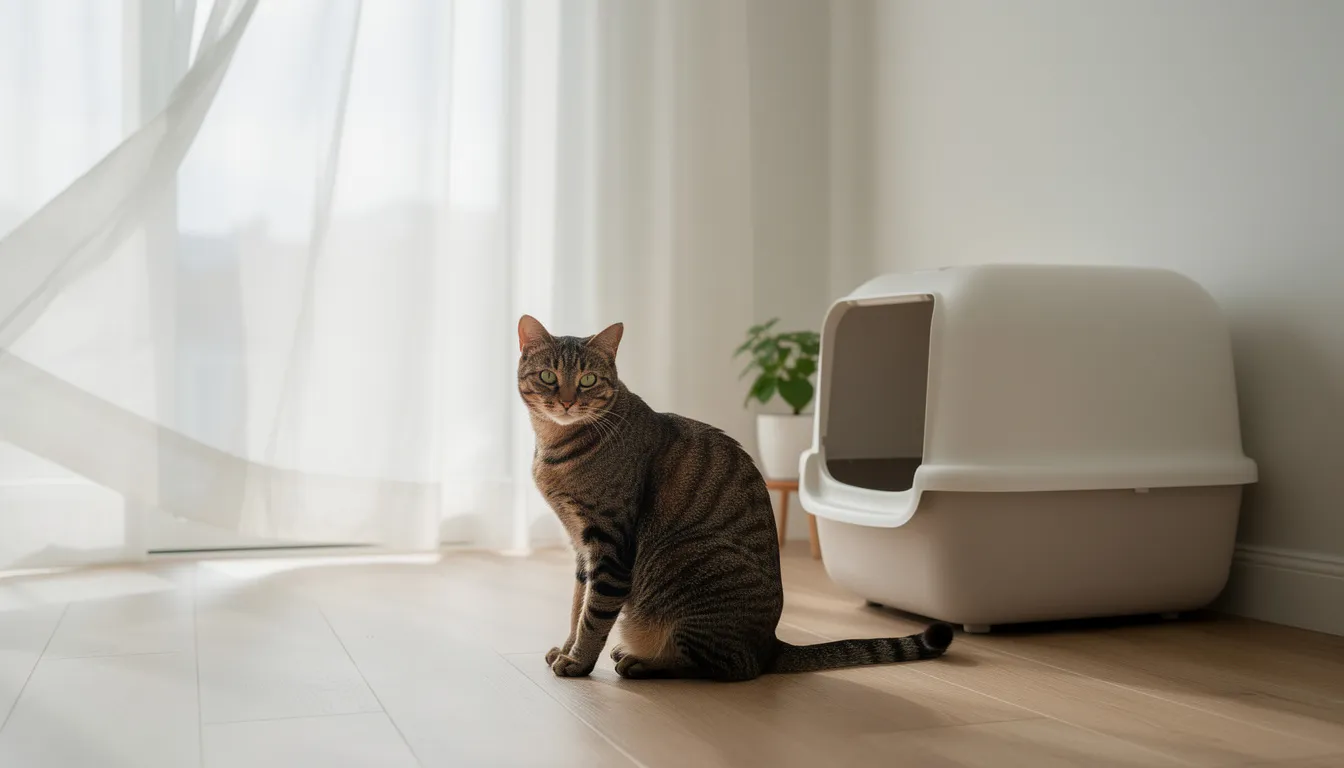
How Cat Urine and Feces Affect Indoor Air and Surfaces Over Time
The Breakdown of Cat Waste Indoors
When cat waste sits in your home, it doesn’t remain static. Urine begins breaking down within hours, and bacteria convert urea into ammonia gas—that sharp, eye-watering smell many cat owners recognize. Over days and weeks, this process intensifies as water evaporates, leaving behind concentrated compounds that soak into carpet fibers, padding, wood floors, and even drywall.
Airborne Particles and Surface Contamination
Dried feces present their own problem. As waste desiccates, it can crumble into dust-like particles that become airborne whenever someone walks through the room, vacuums, or changes the litter. These particles carry bacteria, parasites, and allergens that you then inhale.
Cat urine creates something particularly stubborn: urine crystals. As urine dries, it forms crystalline deposits that lock in both odor and allergenic proteins. These crystals adhere to fabrics, baseboards, and subflooring, which explains why superficial cleaning often fails to eliminate the smell completely. The odor rebounds because the source remains embedded in porous materials.
Environmental Factors That Worsen Contamination
Environmental factors amplify these effects:
-
Humidity: Moist climates or poorly ventilated spaces allow bacteria to thrive and can reactivate dried urine odors.
-
Limited ventilation: Homes with windows closed year-round trap ammonia and volatile organic compounds indoors.
-
Multiple contamination sites: Cats often choose consistent spots, leading to deep saturation in specific areas.
Common problem areas include:
-
Dedicated litter rooms with poor airflow
-
Basements where litter boxes are forgotten
-
Unused bedrooms where cats urinate unnoticed
-
Closets where accidents go undiscovered for months
Recognizing these patterns in your own home is the first step toward addressing the problem.
Respiratory Problems from Long-Term Exposure
How Cat Waste Affects Breathing
The connection between cat waste and breathing difficulties is direct: ammonia and organic particles from urine and feces irritate the respiratory tract. When exposure continues for months or years, what starts as occasional irritation can become chronic inflammation.
Common Respiratory Symptoms
People living in homes with significant cat waste contamination often experience:
-
Persistent coughing that doesn’t resolve with typical cold remedies
-
Wheezing or a tight feeling in the chest
-
Frequent throat clearing or a raw, scratchy throat
-
Burning or watery eyes
-
Chronic sinus congestion
-
Shortness of breath, especially when in contaminated areas
Research indicates that ammonia becomes irritating to eyes and skin at concentrations around 50 ppm. Poorly ventilated spaces with accumulated pet urine can approach these levels, particularly in enclosed litter areas.
Who’s Most Affected?
People with pre-existing conditions face amplified risks. Those with asthma, COPD, chronic bronchitis, or seasonal allergies often see their conditions flare up in heavily soiled environments. Children are especially vulnerable because their lower body weight means ammonia affects them more intensely at the same concentrations.
Long-term exposure doesn’t just cause temporary symptoms—it can contribute to the development of chronic bronchitis, reactive airway disease, and persistent inflammation. In severe cases, particularly in hoarding situations or homes with extensive contamination, the respiratory damage can take months to resolve even after the environment is cleaned.
When to seek help: If you’re waking at night short of breath, using a rescue inhaler daily, or experiencing respiratory symptoms that improve when you leave your home, consult a healthcare provider promptly. These patterns suggest your environment may be the cause.
Allergic Reactions and Sensitization Over Time
Cat Allergens in Urine and Feces
Cat allergens aren’t just in dander and saliva—they’re also present in urine and feces. When waste accumulates over years, allergen levels in your home can skyrocket, affecting even people who previously tolerated cats without problems.
Symptoms of Cat-Related Allergies
Chronic exposure to cat waste allergens typically manifests as:
|
Symptom |
Description |
|---|---|
|
Sneezing |
Frequent, sometimes in clusters |
|
Nasal congestion |
Stuffy or runny nose that persists year-round |
|
Itchy eyes |
Redness, watering, and irritation |
|
Skin reactions |
Rashes or hives, particularly on contact areas |
|
Sinus infections |
Recurrent infections requiring antibiotics |
What many people don’t realize is that sensitization can develop over time. Someone who lived with cats for a decade without issues may suddenly develop symptoms as their immune system becomes increasingly reactive to accumulated allergens. This new-onset cat allergy in adulthood often catches people off guard.
If you experience chronic sinusitis, frequent “colds” that never quite clear up, or year-round “hay fever” symptoms in a home with cats, the underlying cause may be ongoing reaction to cat-related allergens rather than seasonal triggers or passing viruses.
Allergy Testing and Treatment
Allergy testing through an allergist can confirm whether cat allergens are contributing to your symptoms. Treatment options include medications, environmental controls, and in some cases, immunotherapy.
Infections Linked to Cat Urine and Feces
While most cat owners never develop serious infections from their pets, improperly managed cat waste over time does increase the risk of certain zoonotic diseases—infection caused by bacteria, parasites, or viruses present in cat urine and feces. Understanding these risks helps you take appropriate precautions without unnecessary fear.
Bacterial Infections
Cat feces can contain bacteria including:
-
E. coli: Can cause gastrointestinal illness if contaminated food or surfaces contact your mouth
-
Salmonella: More commonly found in cats fed raw meat or wild animals, and leads to diarrhea, fever, and abdominal cramps
-
Campylobacter: Another cause of bacterial infection in the digestive tract
These bacteria become household hazards when fecal particles spread to kitchen surfaces, cutting boards, or areas where food is prepared. Cat feces from outdoor cats can contaminate soil, which can then be tracked indoors on shoes or paws, increasing the risk of exposure.
People with a weakened immune system—including those on chemotherapy, living with HIV/AIDS, or taking long-term immunosuppressive medications—face higher risk of severe disease from these organisms when living in a contaminated home.
Cat Urine and Bacterial Overgrowth
While cat urine itself doesn’t transmit specific named infections like feces does, repeatedly soiled surfaces can support bacterial overgrowth. Areas that stay moist or are rarely cleaned become breeding grounds for microbes that can affect both air quality and surface hygiene.

Toxoplasmosis and Long-Term Exposure Concerns
Among infections from cat feces, toxoplasmosis deserves special attention. The parasite Toxoplasma gondii completes its lifecycle in cats, which shed infectious oocysts in their feces for one to two weeks after initial infection—typically in young cats or newly infected cats.
Why Long-Term Exposure Matters
Oocysts become infectious after one to five days in the litter box and can remain viable in moist environments for over a year. Infrequent scooping means these infectious particles have more time to accumulate and more opportunities for human contact.
Who Is at Risk from Toxoplasmosis?
Most healthy adults who contract toxoplasmosis experience mild flu like symptoms or no symptoms at all. However, two groups face serious risks:
-
Pregnant women: Active infection during pregnancy can cause congenital toxoplasmosis, leading to miscarriage, stillbirth, or severe birth defects. CDC data links toxoplasmosis to complications in 400-4,000 infants annually in the United States.
-
Immunocompromised individuals: People infected who later experience immune system decline can see latent infections reactivate, potentially causing brain inflammation, ocular toxoplasmosis with blurred vision and eye pain, and other severe toxoplasmosis complications.
Preventing Toxoplasmosis
To prevent toxoplasmosis:
-
Scoop litter boxes daily (or at least every other day) to remove feces before oocysts become infectious
-
Wear gloves when handling cat litter and wash hands with soapy water afterward
-
Have someone else handle litter duties during pregnancy when possible
-
Don’t eat raw or undercooked meat, which is actually the more common transmission route
-
Wash cutting boards and surfaces that contact raw meat thoroughly
Anyone worried about toxoplasmosis exposure—especially pregnant women or those planning pregnancy—should discuss testing and precautions with their healthcare provider. Simple blood tests can determine if you’ve been previously exposed.
Note that toxoplasmosis also spreads through eating undercooked meat, eating contaminated food (unwashed fruits and vegetables), contaminated food preparation surfaces, contaminated soil contact, drinking untreated water, and rarely through blood transfusion or infected organ transplant.
Who Is at Highest Risk from Chronic Exposure?
Long-term exposure to cat urine and feces doesn’t affect everyone equally. Certain groups face substantially higher health risks and need stricter protective measures.
High-Risk Categories
|
Group |
Primary Concerns |
|---|---|
|
Infants and young children |
Crawl on contaminated floors, hand-to-mouth behavior increases ingestion risk, lower body weight amplifies ammonia effects |
|
Adults over 65 |
Reduced lung reserve, weakened immune systems, slower recovery from infections |
|
Pregnant women |
Risk of congenital toxoplasmosis affecting fetal development |
|
People with asthma or COPD |
Airway irritation triggers flare-ups and can worsen baseline disease |
|
Immunocompromised individuals |
Higher risk of severe bacterial infection, severe toxoplasmosis, and complications |
Protecting Vulnerable Family Members
Families with high-risk individuals should implement stricter protocols:
-
Keep litter boxes completely separated from living and sleeping spaces
-
Ensure children’s play areas are free from cat waste contamination
-
Cover children’s sandboxes when not in use to prevent outdoor cats from using them
-
Assign litter duties to household members who aren’t in high-risk categories
-
Maintain excellent hand hygiene, especially before eating or touching the face
-
Consider more frequent litter changes and deeper cleaning schedules
Recognizing Signs Your Home Has a Long-Term Cat Waste Problem
Many cat owners normalize odors and stains over time. You might not notice the smell that hits visitors the moment they walk in. This gradual accommodation can mask a genuinely unhealthy environment.
Environmental Warning Signs
-
Persistent, strong ammonia smell throughout the home or concentrated in certain rooms
-
Visible urine stains on carpets, baseboards, or floors near litter areas
-
Heavily soiled cat litter boxes that require extensive cleaning even after routine scooping
-
Cat waste found outside the box in corners, closets, basements, or on soft surfaces
-
Staining visible under black light inspection
-
Carpet that feels stiff or crusty in certain spots
Health-Related Warning Signs
-
Multiple family members experiencing ongoing cough or nasal congestion
-
Frequent headaches that improve when spending time away from home
-
Repeated eye and throat irritation without other obvious causes
-
Symptoms that follow seasonal patterns matching when windows stay closed
-
Health problems that developed gradually after getting cats or adding more cats
Behavioral Signs in Your Cats
Cats sometimes create the very problems that worsen their environment:
-
Avoiding overfilled litter boxes and choosing alternative locations
-
Territorial marking due to stress or multi-cat conflict
-
Medical issues causing inappropriate elimination (urinary tract problems, digestive issues)
If home inspectors, landlords, or visitors frequently comment on odor or staining—or seem uncomfortable in your home—take it as a signal that deeper cleaning or professional remediation may be necessary.
Safe Cleaning and Decontamination Strategies
Daily and Weekly Cleaning Practices
|
Task |
Frequency |
Details |
|---|---|---|
|
Scoop all litter boxes |
Daily (minimum) |
Remove feces and urine clumps promptly |
|
Top off litter |
As needed |
Maintain adequate depth for absorption |
|
Complete litter change |
Weekly |
Empty boxes entirely, wash with hot water and mild detergent |
|
Wipe surrounding area |
Weekly |
Clean any tracked litter or spots near boxes |
|
Deep clean boxes |
Monthly |
Scrub with enzymatic cleaner, replace boxes annually |
Treating Old Stains
For established urine contamination, enzymatic cleaners are essential. These products contain enzymes that break down urea and the proteins responsible for persistent odor—they don’t just mask the smell with fragrance.
Steps for Treating Old Stains:
-
Soak the affected area thoroughly; the cleaner needs to reach as deep as the urine penetrated.
-
Follow product instructions for dwell time.
-
Repeat applications may be necessary for old, heavy saturation.
-
Test on an inconspicuous area first to check for colorfastness.
When Professional Help Is Needed
Some contamination exceeds what DIY cleaning can address:
-
Urine has soaked through carpet padding into subflooring
-
Large areas of drywall have absorbed waste (common against baseboards)
-
Odor persists despite multiple cleaning attempts
-
You’re preparing to rent, sell, or move vulnerable people into the home
-
The home has a history of hoarding conditions with many infected cats
Professional cleaning services use specialized equipment including moisture meters, UV inspection, ozone treatments, and extraction methods that reach below surface materials. In severe cases, removing and replacing carpet, padding, or drywall sections may be the only way to fully eliminate contamination.
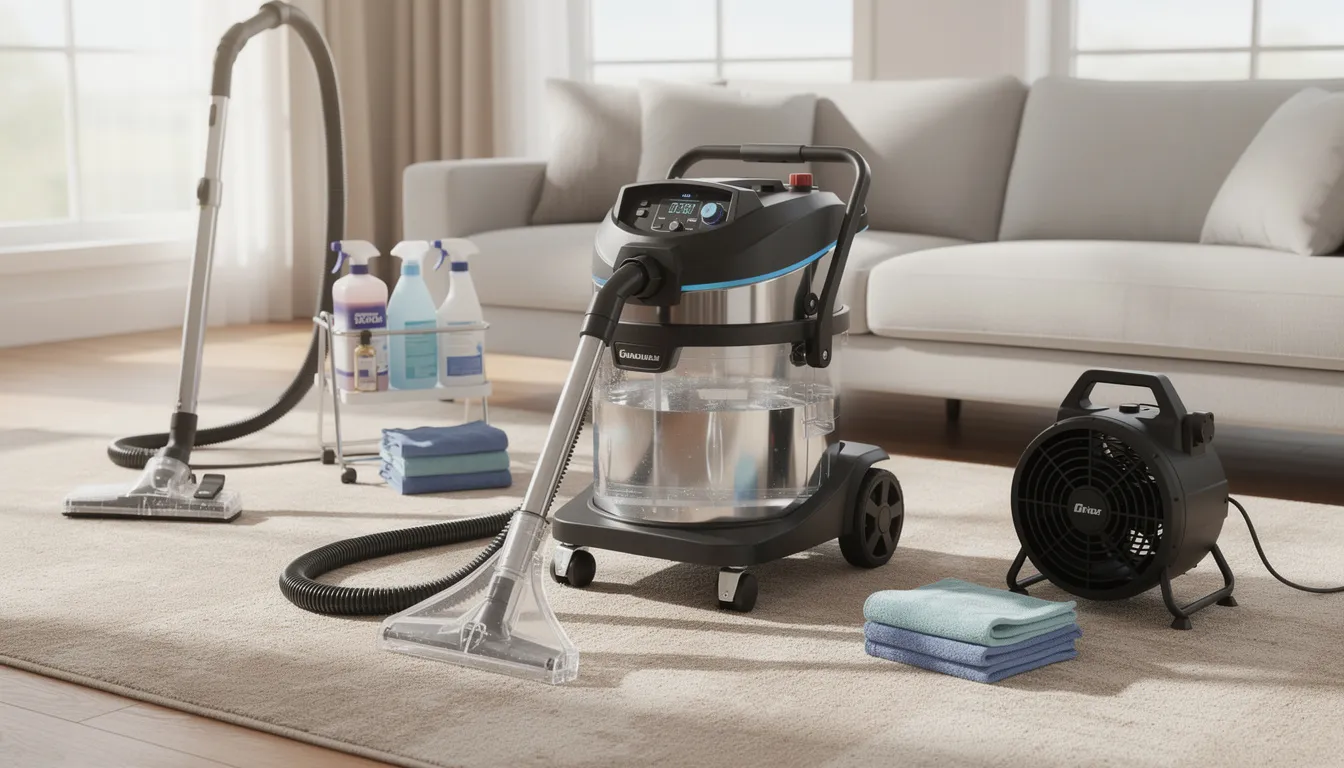
Using Protective Gear and Ventilation While Cleaning
Cleaning concentrated cat waste areas temporarily increases airborne particles, making protection important—especially for people already experiencing symptoms.
Recommended Protective Measures:
-
Wear disposable or washable gloves throughout the cleaning process.
-
Use a well-fitting mask or respirator rated for dust and ammonia fumes.
-
Wear old clothing that can be laundered immediately after cleaning.
-
Wash hands thoroughly with soapy water afterward, even after removing gloves.
-
Avoid touching your face while handling litter or cleaning contaminated surfaces.
Ventilation Strategies:
-
Open windows in the cleaning area whenever weather permits.
-
Use exhaust fans to pull contaminated air outside.
-
Position portable fans to blow air out of windows rather than recirculating it.
-
Allow the area to air out before resuming normal use.
People with asthma or chronic lung disease may want to have someone else handle heavy cleaning tasks, or at minimum, leave the area during and immediately after cleaning sessions and return only after adequate ventilation.
Preventing Future Buildup and Keeping Cats Healthy
Litter Box Best Practices
Preventing waste accumulation is always easier—and healthier—than dealing with years of embedded contamination. A few consistent habits make a significant difference.
-
Scoop daily: This single habit does more than anything else to prevent both odor and health risks.
-
Change litter weekly: Complete replacement, not just topping off.
-
Deep clean monthly: Empty, scrub, and sanitize all boxes.
-
Adjust for multiple cats: Multi-cat households may need twice-daily scooping.
Litter Box Setup
The common guideline is at least one box per cat plus one extra. For two cats, that means three cat litter boxes placed in different areas of your home.
Placement matters:
-
Choose low-traffic but accessible locations.
-
Ensure adequate ventilation in litter areas.
-
Avoid confining all boxes to small, enclosed spaces like closets.
-
Keep boxes away from food preparation and eating areas.
-
Place boxes on easy-to-clean surfaces.
Veterinary Care
Regular veterinary checkups help detect issues that might increase waste odor or cause inappropriate elimination:
-
Annual exams for adult cats (more frequent for senior cats or those with health conditions)
-
Prompt evaluation of changes in litter box habits
-
Treatment of urinary tract infections, digestive problems, or other conditions affecting elimination
-
Fecal samples can identify parasites requiring treatment
Addressing Inappropriate Elimination Early
When a cat starts urinating outside the box—on rugs, beds, or furniture—address it immediately. The longer it continues, the more widespread the contamination becomes.
Steps to Address Inappropriate Elimination:
-
Schedule a veterinary exam to rule out medical causes.
-
Evaluate litter box cleanliness, location, and number.
-
Consider stress factors (new cat, household changes, conflict between cats).
-
Clean affected areas thoroughly with enzymatic products.
-
Consult a veterinary behaviorist if problems persist.
When to Seek Medical or Professional Help
Some situations go beyond what home cleaning and simple precautions can address. Knowing when to escalate is important for protecting human health.
Medical Red Flags
Consult a healthcare provider if you experience:
-
Ongoing cough or wheezing that persists for weeks
-
Recurrent sinus infections or chronic sinusitis
-
Unexplained fatigue that doesn’t improve with rest
-
Flu like symptoms that resolve when away from home and return upon coming back
-
Eye infections, blurred vision, or eye pain (potential signs of ocular toxoplasmosis)
-
Neurological changes or motor skills problems (rare but serious)
Pregnant women, those planning pregnancy, and immunocompromised individuals should proactively discuss cat-related risks with their healthcare provider, including whether toxoplasmosis testing is appropriate.
When to Call Professional Cleaners
Consider professional remediation services when:
-
Severe odor pervades the home despite cleaning efforts
-
Large areas show visible staining or damage
-
The property has a history of hoarding conditions or numerous animals
-
You’re preparing the home for new residents, especially those in high-risk categories
-
Direct contact with heavily contaminated materials seems unavoidable
Veterinary Guidance
Don’t overlook your cat’s veterinarian as a resource. They can provide guidance on:
-
Optimal litter box management for your specific cats
-
Medical causes of increased odor or abnormal elimination
-
Testing outdoor cats or new cats for parasites
-
Reducing risk of zoonotic diseases in your household
FAQ
Can long-term exposure to cat urine and feces cause permanent lung damage?
In most healthy adults, respiratory symptoms improve once the contaminated environment is thoroughly cleaned or left behind. However, prolonged high-level exposure—particularly in hoarding situations or homes with severe neglect—can contribute to chronic bronchitis or worsen existing asthma or COPD in ways that may have lasting effects.
If you’ve moved out of a heavily soiled home and continue experiencing breathing problems, seek evaluation from a healthcare provider. Lung function testing can help determine whether any persistent damage has occurred and guide appropriate treatment.
Is it safe to keep cats if someone in the home is pregnant or immunocompromised?
Many pregnant women and immunocompromised people safely live with cats. The key is maintaining strict litter hygiene and having someone else handle litter box duties whenever possible. Pregnant women should avoid direct contact with cat litter entirely if feasible.
Discuss your individual risk factors with your physician and potentially your household veterinarian. Toxoplasmosis testing can determine whether you’ve had prior exposure (which confers some protection) and help guide specific precautions for your situation.
How can I tell if old cat urine is still present even if I don’t smell it?
A UV (black light) is remarkably effective for revealing dried urine that no longer produces noticeable odor. In a darkened room, urine deposits will glow, showing the extent of contamination on carpets, walls, furniture, and flooring that might otherwise seem clean.
Professional cleaners often combine UV inspection with moisture meters to map out areas requiring treatment or replacement. If you’re dealing with a home that previously housed multiple cats or had known hygiene issues, professional assessment may reveal contamination you couldn’t detect on your own.
Does using an air purifier help with long-term cat waste exposure?
HEPA air purifiers can reduce airborne particles, allergens, and some odor compounds, making them a useful supplement in homes with cats. However, they cannot remove urine or feces already absorbed into carpets, walls, or furniture. The source contamination remains even as air quality temporarily improves.
Think of purifiers as one layer of defense alongside—not instead of—proper cleaning, regular litter maintenance, and adequate ventilation. They’re particularly helpful in bedrooms or living areas where you spend significant time.
How many litter boxes should I have to reduce long-term contamination risk?
The widely recommended guideline is one litter box per cat plus one extra. For a household with two cats, that means three boxes placed in different areas of the home. This prevents any single location from becoming heavily saturated and reduces the likelihood of cats avoiding overfilled boxes and eliminating elsewhere.
Adequate box numbers, combined with daily scooping and good placement, significantly lower overall waste accumulation in any single spot—making your cleaning efforts more manageable and your home healthier for everyone.