


Key Takeaways
-
Cats often vomit in the litter box because it feels like a safe “bathroom” space, not because they are being naughty—this is instinctive behavior linked to their elimination habits.
-
Common causes include hairballs, dietary indiscretion, infections, kidney disease, inflammatory bowel disease, and urinary blockages that can become life threatening within 24–48 hours.
-
Call your vet immediately if you notice multiple vomiting episodes in a day, blood in vomit, pain or straining in the box, lethargy, or refusal to eat or drink.
-
Clean the litter box thoroughly, monitor its contents closely, examine vomit appearance, and keep a log for your veterinarian.
-
Chronic vomiting in the litter box is never normal and always deserves a vet check with possible diagnostic tests.
Why Is My Cat Throwing Up in the Litter Box?
Discovering cat vomit in the litter box is a worrying experience that many pet owners notice during their daily routine of scooping, especially with adult indoor cats. While it might seem strange, this behavior is more common than you’d expect and usually has an explanation rooted in your feline friend’s natural instincts. Cats may vomit in the litter box due to a variety of reasons, including stress, illness, or simply associating the box with relief from discomfort.
Vomiting in the litter box can be a sign of a cat's problem, whether medical or behavioral. Identifying the specific cat's problem is key to resolving the issue and ensuring your cat's well-being.
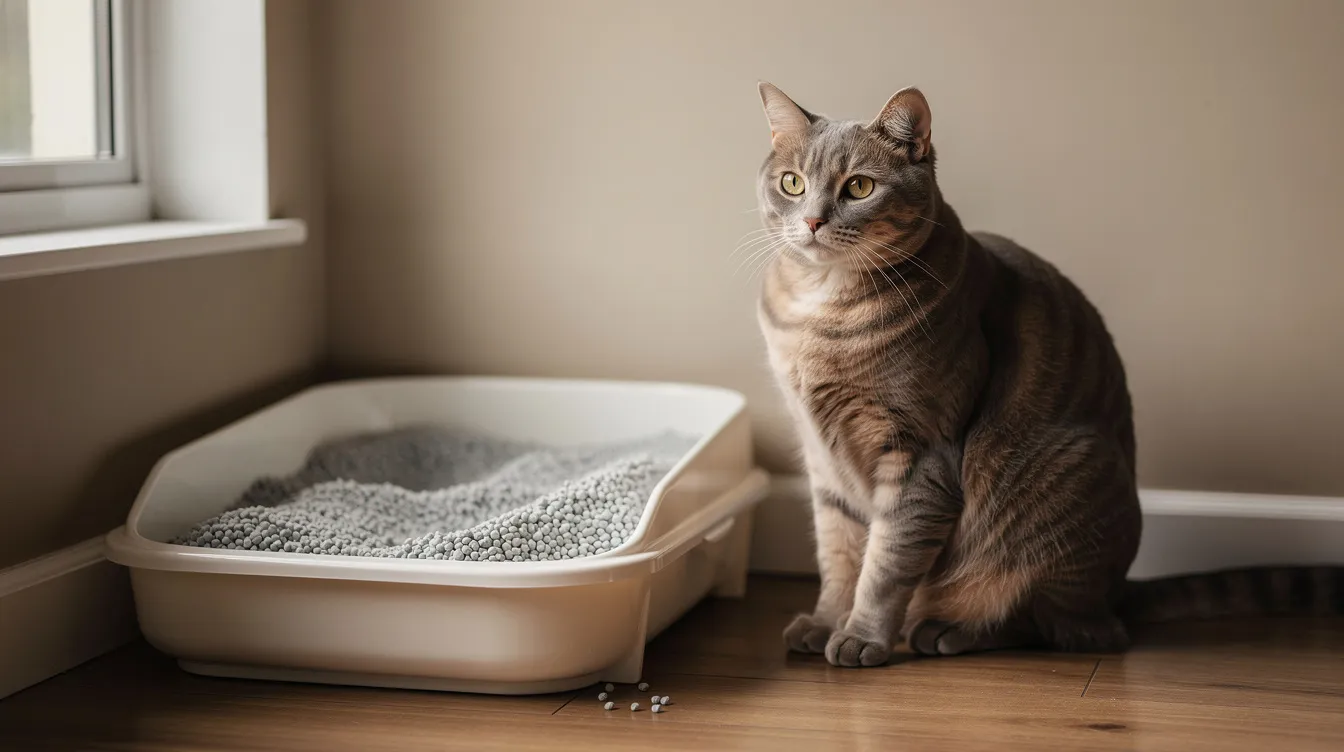
Cats associate the litter box with “getting rid of” anything uncomfortable—urine, feces, and sometimes vomit. When they feel nauseous, many cats rush to the same place where they already go to relieve discomfort. Some cats vomit just before or after urinating or defecating because straining, pain, and nausea can all trigger simultaneously, meaning everything ends up in or near the box.
This behavior can signal both gastrointestinal problems affecting the cat’s stomach and small intestines, as well as non-GI issues like kidney disease, hyperthyroidism, or urinary tract problems. There are several possible reasons for vomiting in the litter box, and the rest of this article will help you determine if this is an emergency, what steps to take at home, and how a vet will investigate the underlying cause.
Common Medical Causes of Vomiting (With or Without the Litter Box)
Many causes of cat throwing up are general—they can happen anywhere—but may appear in the litter box simply because the cat associates that spot with physical relief. Understanding these causes helps you identify what might be affecting your cat’s health. It’s also important to watch for additional symptoms that may accompany vomiting, as these can help pinpoint the underlying cause.
Everyday Triggers
-
Eating too fast: Especially common in kittens after exercise or playtime
-
Dietary indiscretion: Raiding trash, cat eating plants, or trying new treats
-
Sudden diet change: Monitor your cat's diet recently for any changes, including new treats or foods, as any change in your cat’s diet within the past 7 days can upset the stomach and contribute to vomiting
-
Spoiled or cold food: Fridge-cold meals can trigger vomiting in sensitive cats
Hairballs
Hairballs remain a common cause of vomiting, particularly in long-haired cats during spring and autumn shedding seasons. Cats ingest hair while grooming, and this hair can accumulate in the stomach and form hairballs. The classic sign is dry hacking followed by a cigar-shaped mass with that distinctive tubular shape. While many cats experience occasional hairballs, more than one per month warrants attention.
Serious GI Conditions
|
Condition |
Key Signs |
|---|---|
|
Parasites (roundworms, hookworms) |
Bloating, diarrhea, weight loss |
|
Inflammatory bowel disease |
Intermittent vomiting over weeks |
|
GI foreign bodies |
Sudden onset, possible string or toys ingested |
|
GI cancers |
Chronic symptoms, weight loss |
Cat owners should be aware that chronic vomiting and intestinal inflammation are common issues, especially in cats with conditions like IBD and lymphoma.
Systemic Diseases
Chronic vomiting often points to systemic illness. Chronic kidney disease affects 30-50% of cats over 10 years old, causing toxin buildup that triggers nausea. Liver disease, including hepatic lipidosis, hyperthyroidism (present in about 50% of middle-aged cats who vomit regularly), and pancreatitis all belong on this list.
Vomit appearance provides clues: yellow bile suggests an empty stomach or liver issues. Cats may vomit bile in the morning after an overnight fast when their stomach is empty. White foam indicates intestinal inflammation, and blood (bright red or coffee-ground brown) signals ulcers or repeated irritation. Undigested food may point to allergies or upper GI problems.
Why the Litter Box Specifically?
Your cat’s instincts drive this behavior. Cats perceive the litter box as a private, secure zone where they already go when experiencing physical pressure or discomfort. The box represents a designated elimination area linked deeply to expelling anything uncomfortable from their body.
Nausea, abdominal cramping, and the urge to vomit often happen at the same time as urinary or bowel urges. When a cat already in the box experiences these simultaneous sensations, vomiting there becomes almost automatic. Some cats also feel vulnerable while sick and seek an enclosed, familiar place—like a covered box or the quiet utility room where it usually sits.
Real-world scenario: Picture a senior tabby entering the box, straining painfully to urinate while producing very little, then suddenly retching up foam or bile right there. The shared nerve stimulation linking straining and nausea causes both events to occur together.
Older cats or those in pain may simply lack the time or energy to move away before vomiting, so it ends up in the nearest place they associate with body waste—the litter box itself.
Maintaining a stable and stress-free cat's environment can help reduce litter box-related vomiting behaviors.
When Vomiting in the Litter Box Is an Emergency
Certain patterns mean “call the vet or emergency clinic right now,” even in the middle of the night. Recognizing these signs could save your kitty’s life.
Red-Flag Symptoms
-
Vomiting more than 2–3 times in a few hours
-
Vomit containing blood (red or coffee-ground brown), black tarry fluid, or feces-like smell
-
Cat is weak, hiding, or cannot stand
-
Abdomen appears swollen or causes pain when touched
-
Not eating or drinking for 24 hours (any refusal in kittens or older cats)
The Urinary Blockage Emergency
This is the most critical litter box-specific emergency. A male cat repeatedly entering the box, straining to urinate with little or no output, crying, then vomiting strongly suggests a urinary blockage. This condition—often related to feline interstitial cystitis or crystal formation—can be fatal within 24–48 hours due to potassium imbalances and kidney shutdown. Statistics show 10-20% of male cat emergencies involve blockages.
Poisoning Scenarios
If your cat has had recent access to lilies, antifreeze, human medications, rodent poison, essential oils, or new flea products, followed by vomiting and litter changes, call ASPCA Poison Control or an emergency vet immediately.
Even if you’re unsure, calling a clinic for triage advice is safer than waiting. Photos or videos of the vomiting episode and the box can help the vet assess urgency.
How To Help Your Cat Right Now (Before or While Calling the Vet)
While arranging veterinary care, there are safe steps you can take at home. Never give human medications to your pet.
Immediate actions:
-
Remove food for about 6 hours after repeated vomiting (unless your vet advises otherwise)
-
Offer small amounts of fresh water, but don’t force water into a cat that is actively vomiting or very weak
-
Isolate your cat in a quiet, easy-to-clean room with the litter box, soft bedding, and water so you can monitor symptoms
-
Inspect the vomit once for hairballs, undigested food, plants, string, blood, or unusual colors
-
Clean thoroughly with an enzymatic cleaner to remove odor and bacteria
-
Pause recent diet changes and return to the last food that didn’t cause problems
Important exception: Withholding food is not appropriate for very young kittens, diabetic cats, or cats that are already very thin. These animals risk hepatic lipidosis (fatty liver) rapidly. Call your vet quickly for tailored instructions.
Preventing Future Vomiting Episodes in or Around the Litter Box
While not all causes are preventable, many triggers can be reduced with good routine care and monitoring of your cat’s environment.
Additionally, if you have a dog in the household, be aware that their presence can contribute to your cat's stress and litter box issues. Managing interactions between cats and dogs is important to help prevent these problems.
Feeding Strategies
-
Feed smaller meals more frequently throughout the day
-
Use slow-feed bowls (studies suggest this reduces acute vomiting by 40-60%)
-
Transition to any new food gradually over 7–10 days
-
Provide a balanced diet appropriate for your cat’s age
Hairball Management
Regular grooming, especially for long-haired breeds, combined with veterinary-approved hairball remedies or specialized diets can cut hairball episodes by up to 50%.
Litter Box Optimization
|
Recommendation |
Why It Helps |
|---|---|
|
One box per cat plus one extra |
Reduces stress and competition with other cats |
|
Unscented clumping litter |
Minimizes irritation |
|
Daily scooping |
Prevents bacteria/parasite buildup |
|
Quiet, low-stress location |
Reduces bathroom anxiety |
Veterinary Prevention
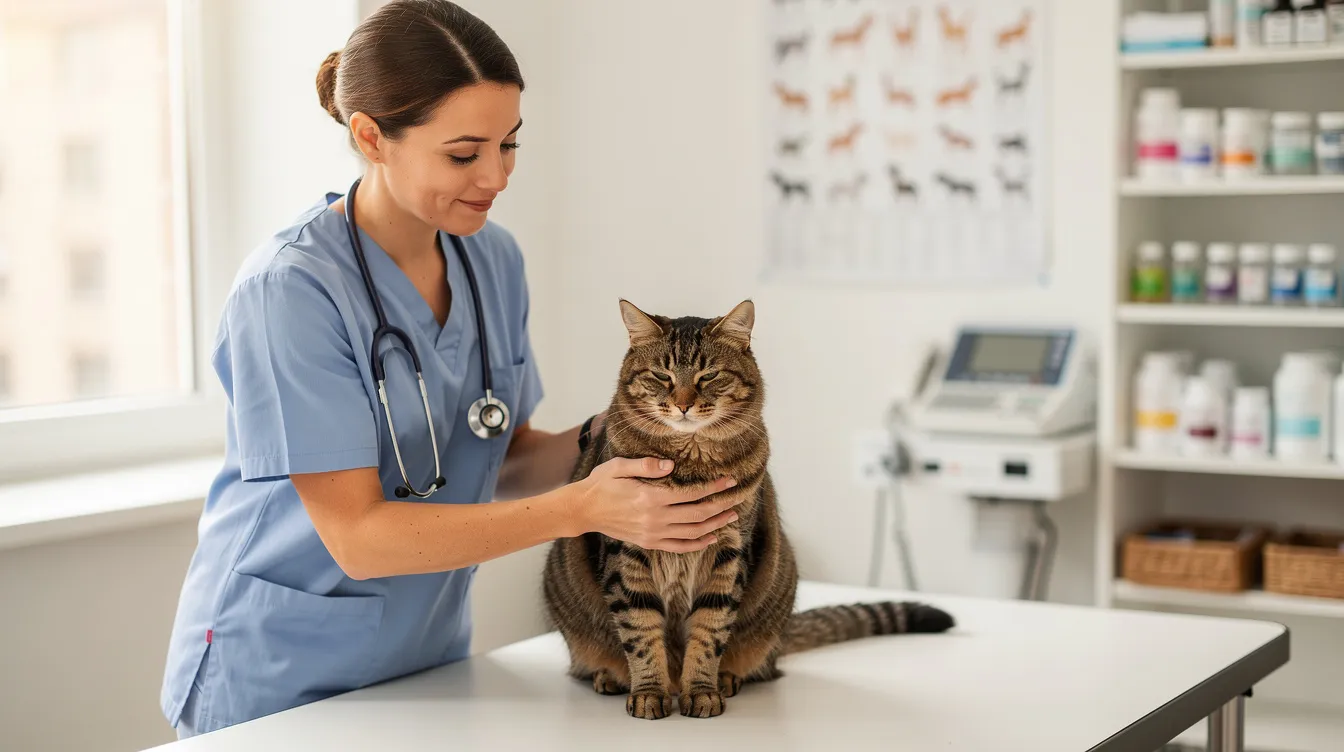
Schedule routine check-ups including blood work and urinalysis for cats over 7 years old. This catches kidney disease, hyperthyroidism, and other chronic conditions early—before severe vomiting starts.
Stress reduction also matters: maintain predictable feeding times, consistent routines, enrichment through toys and scratching posts, and gradual introductions to other animals or home renovations.
Tracking Your Cat’s Vomiting and Litter Box Habits
Good records help vets distinguish between minor upsets and serious illness—and can save you money by focusing testing on likely causes.
Keep a simple log noting:
-
Dates and times of vomiting episodes
-
Vomit appearance (foam, food, bile, blood)
-
Location (inside box, beside box, elsewhere)
-
What the cat had eaten before
-
Any other symptoms or behavior changes
Also track litter box usage:
-
Number of urinations and stools per day
-
Any straining, crying, or sign of pain
-
Accidents outside the box
-
Changes in urine volume or stool consistency
Fewer than 2 urinations per day signals potential issues. Take clear photos or short videos of the vomit and your cat’s behavior in the box to show your vet—descriptions can be subjective, but visual evidence helps enormously.
How Veterinarians Diagnose and Treat Vomiting Cats
Vets first determine if the situation is stable or an emergency, then work systematically from history to tests to treatment.
It's important to work with your veterinarian to identify and address the specific cat's problem that is causing vomiting or litter box issues.
The Diagnostic Process
Your veterinarian will ask detailed questions about:
-
Diet, medications, and treats
-
Indoor/outdoor access and exposure to other animals
-
Access to toxins or new products
-
Timing of vomiting relative to meals
-
What happen in the litter box before or after vomiting
Basic diagnostics include:
-
Physical exam (checking hydration, abdominal pain, fever)
-
Fecal test for parasites (positive in 20-30% of cases)
-
Blood work (kidney, liver, thyroid, pancreas markers)
-
Urinalysis, especially important in middle-aged and senior cats
If initial tests are inconclusive, X-rays and abdominal ultrasound can reveal blockages, tumors, thickened intestines, or enlarged organs.
Treatment Options
|
Finding |
Typical Treatment |
|---|---|
|
Dehydration/acute vomiting |
Anti-nausea injections, IV fluids |
|
Parasites |
Dewormers |
|
Food sensitivity |
Bland or prescription diets |
|
Kidney disease |
Kidney support medications, diet changes |
|
Hyperthyroidism |
Methimazole or other thyroid medications |
|
Foreign body obstruction |
Surgery (90% success if caught early) |
Repeated vomiting in the litter box rarely resolves permanently with home remedies alone. Working with a veterinarian in veterinary medicine is essential for long-term relief and protecting your cat’s problem from becoming worse.

FAQ
Is it normal for a cat to throw up in the litter box once in a while?
An isolated episode (once every few months) in an otherwise bright, active cat that eats and uses the box normally can typically be monitored at home. However, it’s still worth mentioning at your next routine check-up. Vomiting more than once a month, or any pattern where the cat repeatedly chooses the box to vomit, should be treated as abnormal and discussed with your vet promptly.
Should I move or change the litter box if my cat keeps vomiting in it?
Avoid sudden changes in box location or litter type while your cat is unwell—this can increase stress and cause avoidance or accidents. Instead, consider adding a second box in a similarly quiet area if possible. Focus first on veterinary assessment; litter or box changes can happen gradually later if the cat associates the original box with discomfort.
Can hairballs alone make my cat vomit in the litter box?
Yes, hairballs can cause vomiting anywhere, including the litter box if that’s where your cat happens to be when the reflex hits. If hairballs appear more than about once a month or are accompanied by coughing, appetite loss, or constipation, increase grooming and ask your vet about specialized diets or lubricants.
My cat vomits only when straining to poop. What does that mean?
Vomiting during defecation can indicate constipation, megacolon, painful anal glands, or other conditions causing severe straining that triggers a vagal reflex. This deserves prompt veterinary evaluation, especially if stools are very hard, occur every 3+ days, or contain blood or mucus.
Does changing to a “sensitive stomach” food fix vomiting in the litter box?
While some cats improve on carefully chosen, vet-recommended diets, food alone rarely solves vomiting related to systemic disease, organ problems, or urinary blockages. Don’t rely solely on over-the-counter “sensitive stomach” labels. Discuss diet trials with your veterinarian after an exam and any necessary tests to address the underlying cause properly.