


Key Takeaways
-
Kittens normally shed all baby teeth between 3–6 months of age as 30 adult teeth come in to replace them.
-
Adult cats do NOT normally shed teeth; tooth loss after about 12 months of age usually indicates dental disease or trauma.
-
A healthy adult cat should have 30 permanent teeth—missing teeth warrant a veterinary check.
-
Most kittens swallow their tiny teeth while eating, so finding none is perfectly normal.
-
Book a vet visit if you notice loose teeth, bad breath, bleeding gums, or trouble eating in any age cat.
Introduction: How Cat Teeth Change From Kitten to Adult
Cats, like humans and dogs, have two sets of teeth during their life stages. Kittens are born toothless, develop deciduous teeth (also called milk teeth) by 2–4 weeks of age, and then lose their baby teeth as permanent teeth emerge around 3–6 months. This article compares normal kitten teething with abnormal tooth loss in an adult cat, helping pet parents spot problems early and protect their pet’s dental hygiene for years to come.
Do Cats Shed Teeth? Quick Answer by Life Stage
Yes, kittens normally shed baby teeth once—but no, adult cats should not routinely lose teeth.
Here’s the age-based breakdown:
-
0–2 weeks of age: Toothless newborn phase; jaws developing under gums
-
2–12 weeks of age: Baby teeth (deciduous teeth) erupt and complete
-
3–7 months of age: Teething process where kittens lose baby teeth and permanent teeth replace them
-
12+ months: All 30 adult teeth should be firmly in place
Any tooth naturally falling out in a cat older than about 12 months is a red flag, not normal “shedding.” Many pet parents never see kitten teeth because kittens swallow them, whereas adult tooth loss is more likely noticed as gaps or broken fragments.
Kitten Teeth: How and When They Develop
Kittens follow a predictable dental timeline in their first months. They’re born without teeth and rely on the mother cat’s milk until about 3–4 weeks of age, when weaning begins.
Typical eruption windows include:
-
Incisors: Around 2–4 weeks
-
Canines: About 3–4 weeks
-
Premolars: By 4–6 weeks
Kittens typically have twenty-six baby teeth: twelve incisors, four canine teeth (fangs), and ten premolars. Most kittens have a full set of these 26 tiny teeth by 6–8 weeks old. These baby teeth are smaller, needle-sharp, and more translucent than adult cat teeth—designed to encourage weaning as they irritate the mother cat during nursing. Canine teeth are especially important, and if a kitten retains its baby canine teeth, this can lead to dental health issues such as decay and plaque buildup, often requiring veterinary intervention.
Normal Kitten Teething Timeline (Birth to 7 Months)
Understanding when each kitten grow phase occurs helps you know what to expect:
|
Age |
Dental Milestone |
|---|---|
|
0–2 weeks |
No visible teeth; jaws developing |
|
2–4 weeks |
Front incisors erupt; kittens start nibbling |
|
3–6 weeks |
Four canines and premolars appear; solid food transition |
|
8 weeks |
Baby teeth set essentially complete (26–28 teeth) |
|
3–4 months |
Adult teeth start pushing out baby teeth |
|
5–7 months |
All 30 adult teeth in place, including four molars |
Most kittens complete this process by six months. Minor variation of 1–2 weeks is normal, but significant delays should be checked by a veterinarian.
Do Kittens Shed Baby Teeth? What’s Normal and What You’ll See
Yes, cats lose baby teeth just like human children lose their milk teeth. Shedding typically begins around 3–4 months of age as adult teeth develop in the upper jaw and lower jaw, resorbing baby tooth roots from below.
Here’s what many pet parents don’t realize: kittens swallow approximately 80–90% of their shed teeth while eating or grooming. Finding no teeth at all is completely normal. You might occasionally discover a tiny tooth in bedding or near toys, and that’s normal too.
The teething process should be gradual—not accompanied by heavy bleeding, severe oral pain, or refusal to eat.
Common Signs Your Kitten Is Shedding Teeth
A teething kitten typically shows mild, temporary symptoms:
-
Increased chewing on toys, household items, or furniture
-
Slight drooling or temporary bad breath
-
Mild gum redness around loose teeth
-
Occasional tiny blood spots on chew toys
-
Pawing at the mouth or face
-
Brief irritability or discomfort
-
Preference for wet food or softer textures
If your kitten stops eating entirely, cries when chewing, or shows pus, pronounced swelling, or strong odor, that goes beyond normal shedding. To soothe irritated gums, offer appropriate chew toys—but see a vet if symptoms seem severe.

Adult Cat Teeth: What “Shedding” Means After Kittenhood
Once permanent teeth are in place (around 6–7 months), most cats should keep them for life. Adult cats have 30 adult teeth total:
-
12 incisors (small front teeth)
-
4 canines (the “fangs,” including adult canines)
-
10 premolars
-
Four molars
Healthy canine teeth (fangs) are especially important for your cat’s dental health. If a kitten’s canine teeth are retained and not shed properly, this can lead to dental health issues such as decay and plaque buildup, often requiring veterinary intervention.
Finding a tooth from a cat older than about 1 year isn’t part of normal development. Healthy adult cat teeth should appear firmly seated with pink, non-inflamed gums and no persistent bad breath.
Occasionally count your cat’s visible teeth or compare photos over time. How many teeth cats have can reveal early detection of problems if you notice gaps.
Why Adult Cats Might Lose Teeth
Adult tooth loss almost always signals underlying pathology:
-
Periodontal disease: Plaque and tartar build-up leads to irritated gums, bone loss, and eventually loose teeth. This affects 70% of cats over 3 years old.
-
Tooth resorption: A common feline condition where the body destroys parts of the tooth below the gumline, affecting over 50% of cats over 5.
-
Trauma: Falls, fights, or accidents can fracture teeth.
-
Systemic disease: Conditions like feline immunodeficiency virus weaken mouth tissues.
Any loose or missing teeth, bleeding, or oral pain in an adult cat warrants a dental appointment promptly.
How to Tell Normal Shedding From a Problem
Age, symptoms, and which teeth are affected help distinguish normal kitten shedding from dental disease:
In kittens 3–7 months:
-
Mild gum changes, tiny lost teeth, and chewing are usually normal
In cats older than 12 months:
-
Any tooth “shedding” should be considered abnormal
Concerning signs at any age:
-
Refusal to eat or dropping hard food
-
Pawing at the mouth
-
Heavy drooling or behavioral changes
-
Strong bad breath or visible pus
-
Double rows of teeth (retained deciduous teeth alongside adult teeth)
Take photos or short videos of your cat’s mouth to show the veterinarian if you’re unsure.
When to Call the Vet About Tooth Loss
Contact your vet urgently if you observe:
-
Sudden, heavy oral bleeding
-
A broken tooth with exposed pulp (red or dark center)
-
Signs of severe pain or complete refusal to eat
Schedule an appointment within a few days if:
-
You find a tooth from an adult cat
-
A gap appears where a tooth was
-
You notice behavioral changes around eating
Include dental checks during routine kitten vaccination visits. Early detection and treatment is less invasive, less painful, and usually less costly than waiting.
Supporting Healthy Teeth in Kittens and Adult Cats
Proactive dental care greatly reduces abnormal tooth loss risk. Here’s what works:
-
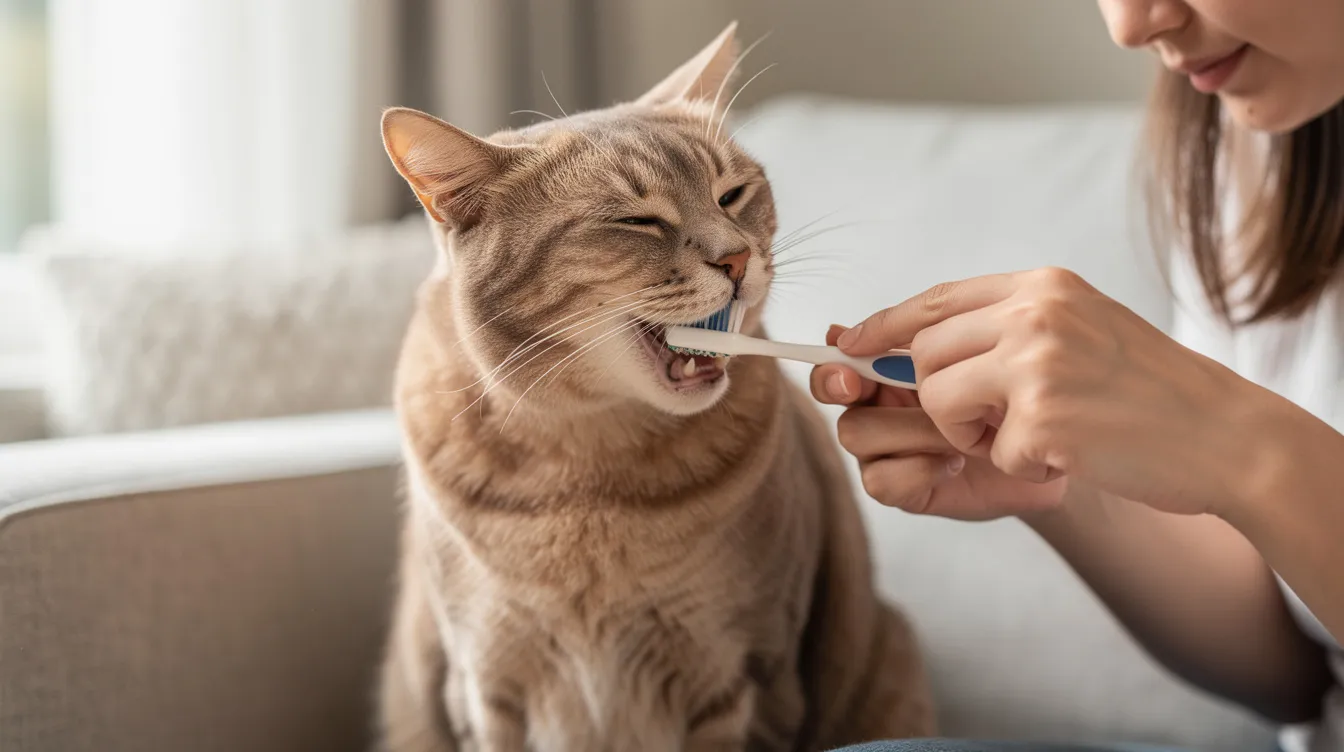
Daily brushing with cat safe toothpaste disrupts plaque before it hardens into tartar
-
Dental diets and veterinary-approved treats reduce calculus by 20–40%
-
Textured chew toys help mechanically clean teeth cats enjoy
-
Annual dental exams—more often for cats with known issues
-
Early handling of your pet’s mouth makes future cleanings less stressful
Comfort and Care During Kitten Teething
Help your teething kitten feel comfortable:
-
Offer soft, washable rubber kitten toys for safe chewing
-
Provide a chilled (not frozen) damp washcloth to soothe irritated gums when supervised
-
Mix warm water into dry food or offer wet food if chewing seems uncomfortable
-
Never give human painkillers or topical gels—many are toxic to cats
Conclusion: Shedding Teeth Is Normal For Kittens, Not For Adults
Kittens naturally shed all 26–28 baby teeth between 3–6 months as 30 adult teeth emerge. This teething process is normal and usually goes unnoticed. However, adult cats should keep their permanent teeth—any loss after roughly 12 months typically signals dental disease, trauma, or other health issues requiring veterinary attention.
Make routine mouth checks at home part of your pet care routine, and schedule regular veterinary dental visits throughout your cat’s life. Prompt attention to dental changes keeps cats comfortable and prevents more serious health problems down the road.
FAQ
Is it normal to find my kitten’s tooth on the floor?
Between about 3 and 6 months of age, it’s perfectly normal to occasionally find a tiny, white kitten tooth on the floor, in bedding, or near toys. Most kittens swallow their teeth while eating, so finding none at all is also normal. However, if you see multiple teeth at once, heavy bleeding, or your kitten stops eating, schedule a vet visit.
Can I tell my cat’s age by its teeth?
Veterinarians often estimate age based on which teeth are present, especially in kittens under 7 months where the eruption order is predictable. In adults, tartar build-up and wear patterns provide clues. Beyond about 2–3 years, teeth give only rough age ranges and should be combined with other signs like body condition and eye clarity.
Do indoor cats still get dental disease and lose teeth?
Yes—indoor cats develop plaque and dental disease just as outdoor cats do. It’s driven by bacteria and diet, not lifestyle. Indoor cats often live longer (12–15 years median), so slow-developing issues like periodontal disease and tooth resorption are common. The same brushing, dental diets, and regular checkups apply.
What should I do if my adult cat suddenly has a loose tooth?
Schedule a veterinary exam as soon as possible. Loose teeth in adults usually indicate significant gum disease, resorption, or trauma. Keep your cat on soft food until the appointment if chewing seems painful. Never try to pull the tooth at home—this can break roots, increase pain, and risk infection.
Can cats be given dental X-rays, and are they necessary?
Many veterinary clinics use dental X-rays under anesthesia to see tooth roots and bone below the gumline. X-rays detect up to 60–70% of subgingival pathology missed visually and are especially helpful for diagnosing tooth resorption and hidden fractures. Your vet will recommend them based on exam findings and symptoms like unexplained pain or missing teeth.